 GlucoSpike AI
CGM for PCOS and Insulin Resistance: Does It Actually Help? (2026 Honest Guide)
Women with PCOS are increasingly turning to CGMs to manage blood sugar and insulin resistance. But do they actually help — and is the $1,000+ annual cost worth it?
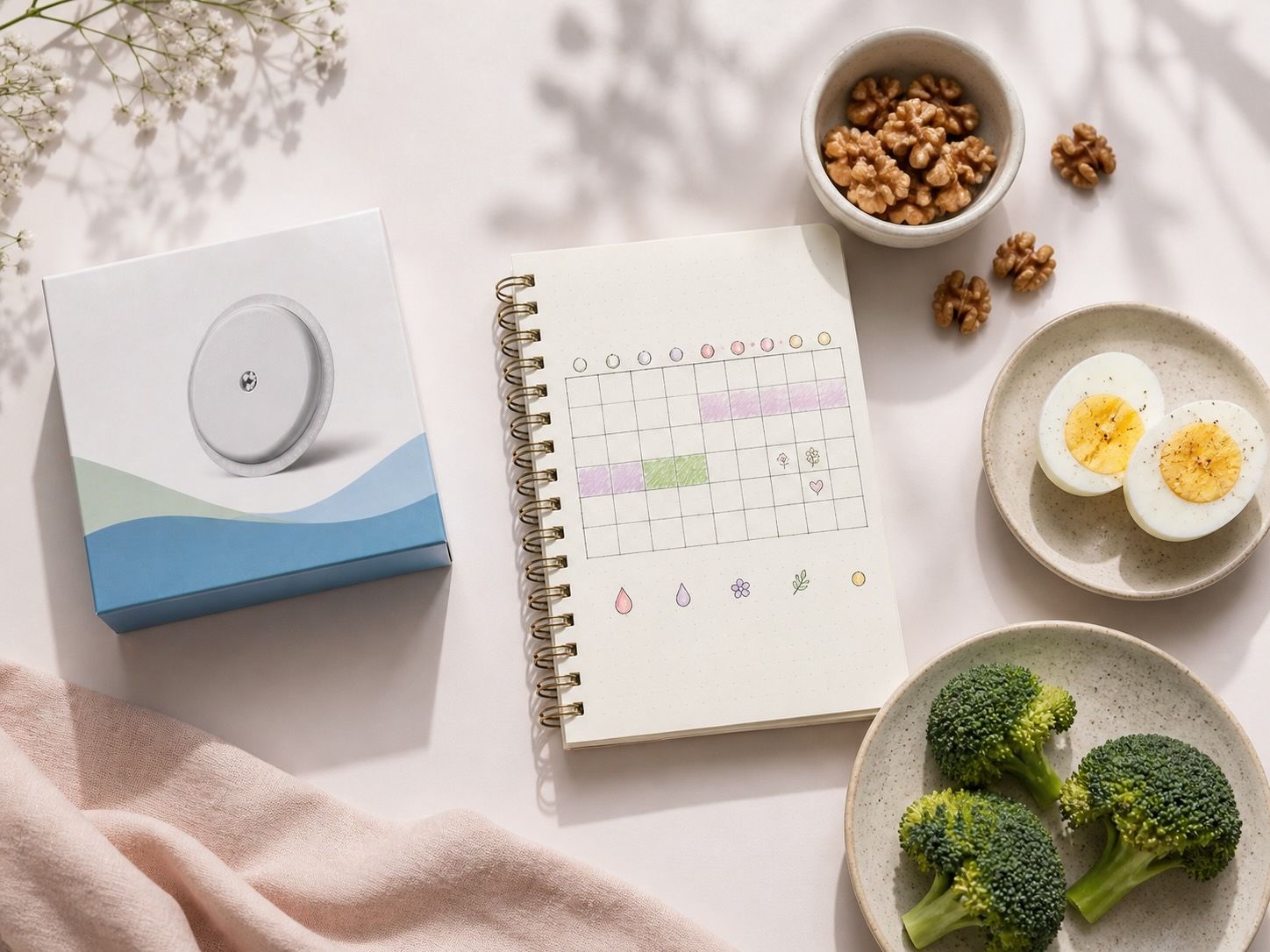
If you have PCOS, you've probably been told that insulin resistance is part of the picture. Maybe your doctor mentioned it. Maybe you read about it online. And if you've been doing your research, you may have come across continuous glucose monitors — CGMs — as a tool for understanding what's happening with your blood sugar.
The question is whether a CGM is actually useful for PCOS management, or whether it's a $1,000+/year device that gives you data you don't know what to do with. The honest answer depends heavily on your specific situation — and this guide breaks it down.
PCOS and Insulin Resistance: Why Blood Sugar Matters
Between 65 and 80% of women with PCOS have some degree of insulin resistance — even those who are at a healthy weight. Insulin resistance in PCOS isn't purely a weight issue. It's driven by a combination of genetic predisposition, hormonal imbalance, and the relationship between excess androgens and insulin signaling.
Here's why it matters for blood sugar: when your cells are resistant to insulin, your pancreas has to produce more of it to get the same effect. This compensatory hyperinsulinemia then drives the ovaries to produce more androgens (testosterone), which worsens the hormonal symptoms of PCOS — irregular cycles, acne, hair thinning, and difficulty ovulating. It's a loop.
This is why managing blood sugar and reducing post-meal glucose spikes is one of the most direct levers women with PCOS have for improving symptoms — not just metabolic health, but the hormonal picture too. Lower insulin demand means lower androgen stimulation.
What a CGM Does (and What It Doesn't)
A continuous glucose monitor is a small sensor you wear on your arm or abdomen that measures your interstitial glucose — the glucose in the fluid between your cells — every 1 to 5 minutes. It gives you a real-time reading, trend arrows showing whether glucose is rising or falling, and a historical log you can review to spot patterns.
What a CGM doesn't do: it doesn't measure insulin levels directly. This is an important limitation for PCOS. Insulin resistance is about how your body responds to insulin — not just what your glucose is doing. A CGM can show you the downstream effects of insulin resistance (higher and more prolonged glucose spikes), but it can't tell you your insulin level at any given moment. For that, you need a fasting insulin blood test.
That said, glucose pattern data is still highly relevant for PCOS — because reducing glucose spikes directly reduces the insulin demand that drives androgen production.
How a CGM Could Help With PCOS
Identifying your personal glucose triggers. Women with PCOS often have exaggerated glucose responses to foods that wouldn't cause significant spikes in someone without insulin resistance. A CGM can reveal which specific foods — even ones considered healthy, like oat milk, certain fruits, or whole grain bread — are causing disproportionate spikes for you personally.
Understanding your post-meal patterns. Women with insulin resistance tend to have higher post-meal glucose peaks that take longer to return to baseline. CGM data makes this visible — you can see exactly how high a meal pushes your glucose and how long it stays elevated, which helps you prioritize which meals to adjust first.
Measuring the impact of lifestyle interventions. Exercise, meal sequencing, sleep quality, and stress all affect glucose. A CGM lets you see the effect of specific habits in real time — for example, whether a 10-minute post-meal walk actually flattens your curve, or whether eating protein before carbs changes your response to that meal.
Motivation and behavior change. Seeing your glucose spike in real time after a specific food is more viscerally motivating than knowing abstractly that sugar isn't great for PCOS. For many women, CGM feedback creates a direct cause-and-effect loop that abstract dietary advice doesn't.
What the Research Shows for PCOS Specifically
Direct research on CGM use in PCOS is limited — most CGM studies focus on Type 1 and Type 2 diabetes populations. But the underlying evidence for glucose management in PCOS is strong.
A 2021 review in the Journal of Clinical Endocrinology found that low-glycemic interventions in PCOS reduced fasting insulin, testosterone levels, and menstrual irregularity compared to standard dietary advice. The mechanism is the one described above: lower post-meal glucose spikes reduce compensatory insulin secretion, which reduces androgen stimulation of the ovaries.
Where a CGM adds value in this context is precision: rather than following generic low-glycemic dietary guidelines, you can identify your personal high-spike foods and adjust specifically. This is more actionable than a glycemic index chart, which doesn't account for individual metabolic variability.
Who With PCOS Gets the Most Value From a CGM
Women with confirmed insulin resistance. If you've had a fasting insulin test showing elevated levels, or an HOMA-IR score above 2.0, your glucose patterns are more likely to be clinically significant and worth monitoring. CGM feedback is more actionable when you know insulin resistance is present.
Women actively trying to improve cycle regularity or fertility. Since insulin resistance directly drives androgen excess and anovulation in PCOS, reducing post-meal spikes is a direct intervention for hormonal symptoms. A CGM helps you measure whether dietary changes are actually improving your glucose patterns — which correlates with reduced androgen stimulation.
Women who are data-driven and frustrated with generic advice. If you've tried generic low-carb or low-GI dietary advice and found it hard to follow or unsatisfying, personalized CGM data can help you build a food approach that's specific to your glucose response rather than based on population averages.
Women on metformin who want to understand what it's doing. Metformin is commonly prescribed for PCOS with insulin resistance. A CGM can help you see how your post-meal glucose patterns change with metformin and which foods still cause significant spikes despite medication.
Who Probably Won't Get Much Value
Women with PCOS but without significant insulin resistance. Not all PCOS presentations are driven by insulin resistance. If your fasting insulin is normal and your glucose regulation is unimpaired, CGM data will be relatively unremarkable and less actionable.
Women who are prone to health anxiety or disordered eating patterns. CGMs generate a lot of data, and glucose fluctuates naturally throughout the day. For women with a history of orthorexia, restrictive eating, or high health anxiety, continuous glucose data can intensify restriction and food fear rather than providing useful guidance. This is worth considering carefully before investing in a CGM.
Women looking for passive answers. A CGM generates data but doesn't interpret it for you or tell you what to change. If you're not willing to actively analyze patterns and adjust your diet and lifestyle, the device won't do the work on its own.
CGM Cost for PCOS: Is It Covered?
This is where the practical picture gets frustrating. PCOS is not currently a qualifying condition for CGM coverage under most insurance plans or Medicare. Coverage is tied to diabetes diagnosis and insulin use — not insulin resistance or PCOS.
| Option | Monthly Cost | Annual Cost | Prescription Required | Hardware Needed |
|---|---|---|---|---|
| Dexcom Stelo (OTC) | ~$99 | ~$1,188 | No | Yes |
| Abbott Libre Rio (OTC) | ~$89–99 | ~$1,068–1,188 | No | Yes |
| FreeStyle Libre 3 Plus | ~$160 | ~$1,920 | Yes | Yes |
| GlucoSpike AI (meal scoring) | ~$3.33 | ~$39.99 | No | No |
For most women with PCOS paying out of pocket, the OTC options — Dexcom Stelo and Abbott Libre Rio — are the most accessible at roughly $89–99/month. Both are available without a prescription. For a full breakdown of every device's pricing, see our CGM cost guide.
How Long Should You Use a CGM for PCOS?
Unlike Type 1 diabetes, PCOS management doesn't require permanent continuous monitoring. For most women, the highest-value use case is a time-limited experiment: wear a CGM for 4 to 8 weeks while actively testing your responses to different foods, meal timing, and exercise. Identify your personal spike triggers. Then apply those insights without the ongoing sensor cost.
Some women return to CGM use periodically — for example, when making a significant dietary change or when trying to understand a symptom flare. But continuous year-round monitoring is rarely necessary for PCOS management specifically.
What to Actually Look For on Your CGM With PCOS
Post-meal peak height. A healthy post-meal peak is generally below 140 mg/dL, returning to baseline within 2 hours. Women with insulin resistance often see peaks of 160–180+ mg/dL and a slower return. Track which meals cause your highest peaks.
Time to return to baseline. This is often more revealing than peak height for insulin resistance. If your glucose stays elevated for 3–4 hours after a meal, that prolonged elevation means prolonged insulin secretion — which is exactly what drives PCOS androgen production.
Fasting glucose trends. Your fasting glucose when you wake up reflects overnight insulin activity. For women with PCOS and significant insulin resistance, fasting glucose is often in the 90–110 mg/dL range — technically normal, but trending toward the prediabetes threshold.
Exercise effect. Track your glucose before and after workouts. Resistance training in particular has a pronounced effect on insulin sensitivity — you may see glucose drop during and after lifting, and more stable post-meal responses on days you exercise.
Managing Glucose With PCOS Without a CGM
A CGM is one tool — not the only one. The dietary principles for improving insulin resistance in PCOS are well established and don't require a sensor to implement:
- Meal sequencing. Eating fiber and protein before carbs consistently reduces post-meal glucose spikes. This is one of the most research-backed dietary strategies for insulin resistance and it requires no device. Our meal sequencing guide explains the mechanism.
- Post-meal walks. A 10-minute walk after eating drives glucose into muscles directly, blunting the post-meal spike. Particularly effective for women with PCOS who have glucose clearance impairment.
- Resistance training. Building muscle mass improves insulin sensitivity structurally. More muscle means more glucose uptake capacity with each insulin signal. 2 to 3 sessions per week is the most commonly recommended minimum for meaningful effect.
- Sleep quality. Poor sleep directly worsens insulin resistance. Even one night of disrupted sleep can push fasting glucose up significantly. Women with PCOS already have higher rates of sleep apnea — worth addressing if suspected.
- Inositol supplementation. Myo-inositol and D-chiro-inositol have the strongest evidence base for improving insulin sensitivity specifically in PCOS. Multiple trials show improvements in fasting insulin, testosterone, and cycle regularity. Worth discussing with your doctor.
A More Accessible Starting Point for PCOS Glucose Awareness
If you're not ready to spend $1,000+ on a CGM — or you want to build food awareness before investing in hardware — GlucoSpike AI is built for exactly this starting point.
GlucoSpike scores every meal from 0 to 10 for predicted glucose impact. You photograph or describe your meal and get a GlucoScore, plus which elements of the meal are driving glucose risk — no sensor, no prescription, no wearable. At $39.99/year, it directly addresses the meal-level awareness use case that is most relevant for PCOS and insulin resistance management.
Over time, you build a picture of which meals are high-risk for your glucose, which eating habits are actually working, and where the easy adjustments are. It's the right first step before committing to ongoing CGM hardware costs. Try GlucoSpike AI free for 7 days at glucospike.ai.
Frequently Asked Questions
Should I use a CGM if I have PCOS?
It depends on your situation. If you have confirmed insulin resistance (elevated fasting insulin or high HOMA-IR), a CGM can give you genuinely useful data about which foods and habits are driving your glucose patterns. If your insulin and glucose are normal, CGM data will be less actionable. A time-limited 4 to 8 week experiment is a reasonable approach rather than committing to continuous monitoring.
Does insulin resistance cause high blood sugar in PCOS?
Not necessarily in the diabetic range, but it does cause higher and more prolonged post-meal glucose spikes than someone without insulin resistance. Most women with PCOS and insulin resistance have fasting glucose in the normal-to-prediabetes range (90–125 mg/dL) and post-meal peaks that are higher and slower to resolve. This chronic hyperinsulinemia — rather than overt high blood sugar — is what drives the androgen excess in PCOS.
Can a CGM help PCOS symptoms like irregular periods?
Indirectly, yes. A CGM doesn't treat PCOS directly, but by helping you identify and reduce foods that cause significant glucose spikes, you reduce the insulin demand that drives androgen overproduction. Lower androgens correlate with more regular cycles and improved ovulation. The CGM is a tool for making dietary adjustments more precise and measurable — the benefit comes from the behavior change it enables.
Is a CGM covered by insurance for PCOS?
No — PCOS is not a qualifying condition for CGM coverage under most private insurance plans or Medicare. Coverage is currently tied to diabetes diagnosis and insulin use. You would typically need to pay out of pocket, with OTC options like Dexcom Stelo or Abbott Libre Rio being the most accessible at $89–99/month without a prescription.
What is a normal glucose level for someone with PCOS?
The same reference ranges apply regardless of PCOS status: fasting glucose below 100 mg/dL is normal, 100–125 mg/dL is prediabetes, 126 mg/dL or higher indicates diabetes. Post-meal glucose should ideally return below 140 mg/dL within 2 hours. Women with PCOS and insulin resistance often have fasting glucose in the 90–110 range and post-meal peaks that stay elevated longer than expected — technically within normal limits but trending toward impaired regulation.
What foods cause the biggest glucose spikes with PCOS?
Women with PCOS and insulin resistance tend to have exaggerated responses to high-glycemic foods: white bread, white rice, sugary drinks, pastries, and processed snacks. But individual variability is significant — some women spike strongly from oat milk, certain fruits, or whole grain bread while others don't. This is exactly where CGM or meal scoring data is most useful: identifying your personal triggers rather than relying on population-level glycemic index charts.
How does metformin affect blood sugar in PCOS?
Metformin works primarily by reducing glucose production in the liver and improving cellular insulin sensitivity. In PCOS, it lowers fasting insulin and glucose, which reduces androgen stimulation of the ovaries. It doesn't eliminate post-meal spikes entirely — dietary habits still matter significantly alongside medication. A CGM can help you see which meals still cause significant spikes despite metformin.
What is HOMA-IR and how does it relate to PCOS?
HOMA-IR (Homeostatic Model Assessment of Insulin Resistance) is a calculation derived from fasting glucose and fasting insulin levels. A HOMA-IR above 2.0 is generally considered indicative of insulin resistance, though labs vary. Many endocrinologists use HOMA-IR to assess the degree of insulin resistance in PCOS and to guide treatment decisions. If you haven't had a fasting insulin test alongside your fasting glucose, ask your doctor — fasting glucose alone doesn't capture insulin resistance well.
Is low-carb the best diet for PCOS with insulin resistance?
Low-carb diets do show consistent benefits for insulin resistance in PCOS — reduced fasting insulin, lower androgens, and improved cycle regularity in multiple trials. But strict low-carb isn't the only effective approach, and adherence matters more than the specific diet label. A lower-glycemic diet that you can sustain, combined with meal sequencing, regular exercise, and adequate sleep, produces meaningful results without requiring severe carbohydrate restriction.
Can you have PCOS with normal blood sugar and still have insulin resistance?
Yes — this is one of the most important things to understand about PCOS. Fasting glucose and even HbA1c can be completely normal while significant insulin resistance is present. This is because the pancreas compensates by producing more insulin to maintain normal glucose levels. The insulin resistance shows up in elevated fasting insulin and HOMA-IR, not necessarily in glucose readings — which is why fasting glucose alone is not sufficient to rule out insulin resistance in PCOS.
🥗 Get weekly blood sugar tips from GlucoSpike
Practical meal tips, glucose-friendly recipes, and app updates — straight to your inbox. No spam.