 GlucoSpike AI
 · Chai
Best Diet for Insulin Resistance, Diabetes, and PCOS: A Science-Based Comparison
The best diet for insulin resistance isn't one-size-fits-all. Compare Mediterranean, low-carb, keto, and more, and see why your own glucose response matters most.
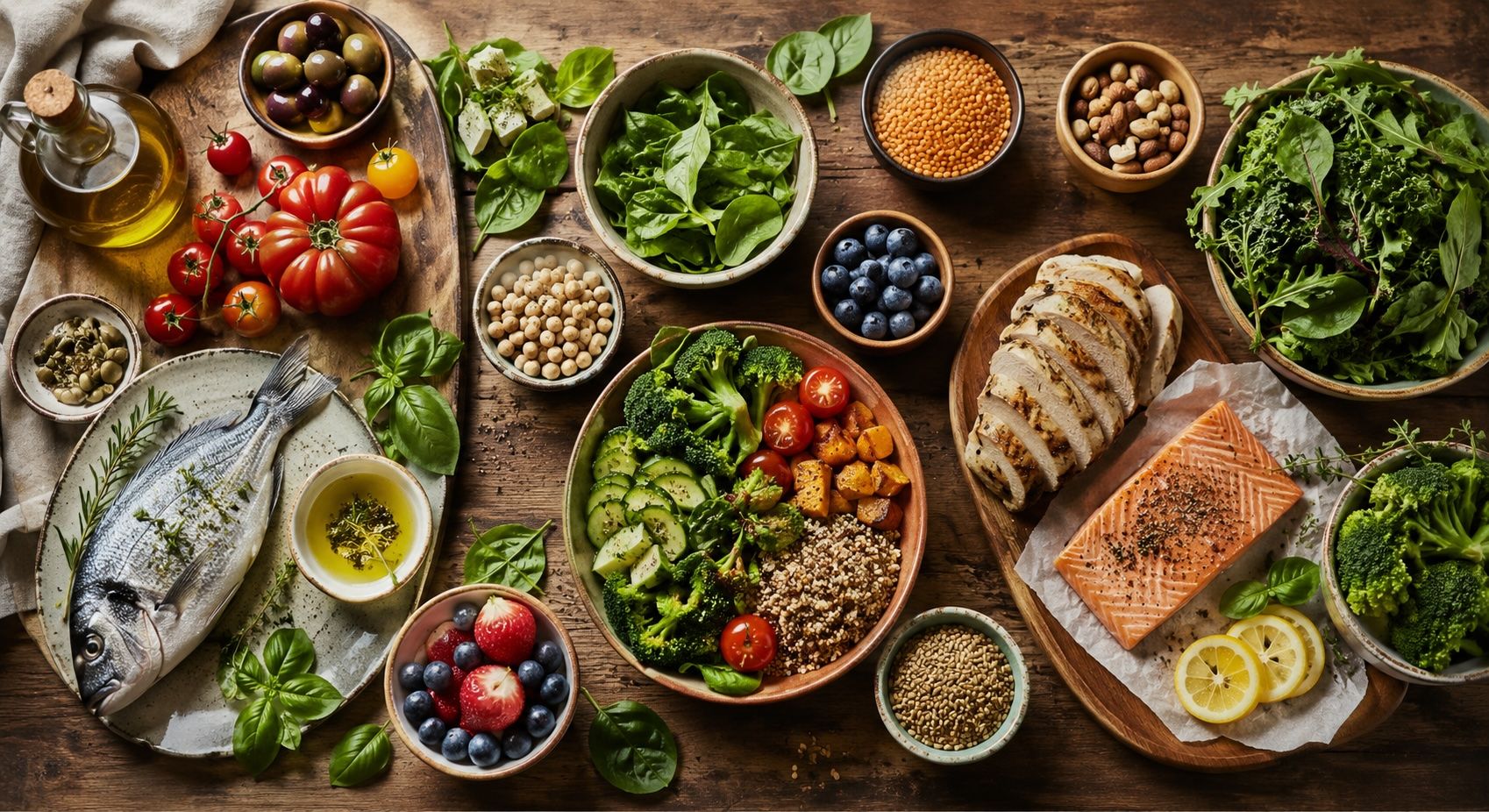
The best diet for insulin resistance isn't keto, Mediterranean, or any single named diet. It's whichever eating pattern lowers your glucose spikes, is backed by evidence, and you can actually stick with for years, not weeks.
Every year a new diet promises to "reverse diabetes" or "fix insulin resistance." One year it's keto. The next it's intermittent fasting. Then someone in a Facebook group swears by eating only fruit, or one meal a day. It's confusing, and most of the advice doesn't account for the fact that two people can eat the same meal and see very different blood sugar responses.
So instead of asking "which diet is best," this guide breaks down what the evidence actually shows for insulin resistance, type 2 diabetes, and PCOS, diet by diet, so you can figure out what's worth trying and what to skip.
A note on where this comes from: I started GlucoSpike after watching my mother, and a number of people in my own community, struggle with diabetes without a clear, affordable way to know which of their daily meals were actually working against them. This article draws on peer-reviewed nutrition research (linked throughout) rather than anecdote, but that personal starting point is why GlucoSpike exists.
Why Diet Matters for Insulin Resistance
Insulin resistance develops when your cells stop responding well to insulin. Your pancreas compensates by producing more of it, and over time that can lead to:
- Prediabetes
- Type 2 diabetes
- PCOS
- Non-alcoholic fatty liver disease
- Higher cardiovascular risk
The goal of any diet here isn't just weight loss. It's to reduce glucose spikes, improve insulin sensitivity, lower inflammation, protect muscle mass, and build habits you can sustain.
Diet Comparison at a Glance
| Diet | Best For | Carbs | Evidence for Insulin Resistance | Long-Term Sustainability |
|---|---|---|---|---|
| Mediterranean | Nearly everyone | Moderate | Strong | Strong |
| Low-Carbohydrate | Prediabetes, Type 2 Diabetes | Low | Strong | Moderate-Strong |
| Low Glycemic Index | PCOS, diabetes | Moderate | Strong | Strong |
| DASH | Diabetes + high blood pressure | Moderate | Moderate-Strong | Strong |
| Atkins | Prediabetes, PCOS with overweight | Low, rising over phases | Moderate-Strong | Moderate |
| Ketogenic | Significant insulin resistance (medically supervised) | Very low | Moderate-Strong | Weak |
| Plant-Based | Weight loss, cardiovascular health | Moderate | Moderate | Moderate |
| Time-Restricted Eating (12:12-16:8) | Weight loss & insulin sensitivity | Any | Moderate | Moderate |
| Paleo | Some insulin resistance | Moderate-Low | Limited | Moderate |
| One Meal a Day (OMAD) | Not generally recommended | Any | Limited | Weak |
| Water Fasting | Not recommended as treatment | None | Weak | Weak |
| Fruit-Only Diet | Not recommended | Very High | Weak | Weak |
Ratings reflect a synthesis of current nutrition research on glycemic control, insulin sensitivity, and adherence, not a single study. Individual results vary, which is the core reason personalized tracking matters (more on that below).
The Diets Worth Considering
1. Mediterranean Diet
Vegetables, fruit, whole grains, beans and lentils, olive oil, fish, nuts. This is one of the most consistently studied patterns for metabolic health. A 2025 meta-analysis of eleven randomized controlled trials in people with type 2 diabetes found meaningful reductions in HbA1c, fasting glucose, and BMI compared with control diets (source). Good for prediabetes, type 2 diabetes, PCOS, and fatty liver.
2. Low-Carbohydrate Diet
Typically 50-130g net carbs per day, built around eggs, poultry, fish, paneer or tofu, non-starchy vegetables, and healthy fats, while limiting sugary drinks, bread, rice, and refined flour. A large 2025 umbrella review found that most trials showed meaningful short-term HbA1c improvements on low-carb diets, though the effect tends to shrink after 6-12 months without continued adherence (source).
3. Low Glycemic Index (GI) Diet
Rather than cutting carbs, this focuses on choosing carbohydrates that raise blood glucose more slowly, oats, lentils, chickpeas, brown rice, apples, berries, while limiting white bread, sugary cereals, and sweetened drinks. A 12-week isocaloric low-GI intervention in women with PCOS found measurable improvements in insulin sensitivity independent of weight change (source), making it one of the better-supported approaches specifically for PCOS.
4. DASH Diet
Originally designed for blood pressure, DASH emphasizes fruit, vegetables, whole grains, lean protein, and low sodium. A strong option for anyone managing diabetes alongside hypertension.
5. Atkins Diet
One of the original low-carb diets, built around four phases that start very restrictive (about 20g net carbs/day) and gradually reintroduce carbohydrates as you find your personal tolerance. Many people find it more flexible and easier to sustain long-term than strict keto, though early side effects ("keto flu") are common in phase one.
6. Ketogenic Diet
Carbohydrate intake around 20-50g per day, high fat, moderate protein. Evidence here is more mixed than for Mediterranean or moderate low-carb: a meta-analysis of RCTs lasting at least six months found inconsistent HbA1c results across studies, some showed a clear benefit and others showed none (source). It's restrictive, socially difficult to maintain, may raise LDL cholesterol in some people, and is generally best attempted under medical supervision, particularly for anyone on insulin or sulfonylureas.
7. Plant-Based Diet
A well-planned vegetarian or vegan diet, built on beans, lentils, tofu, whole grains, nuts, and vegetables, can support insulin sensitivity and weight loss. The caveat: it takes deliberate planning to get enough protein, B12, and iron.
8. Time-Restricted Eating / Intermittent Fasting
Common patterns are 12:12, 14:10, and 16:8, changing when you eat rather than what you eat. Reasonably well-supported for improving fasting insulin and supporting weight loss, especially paired with a nutritious diet. Not recommended without medical guidance for anyone on insulin or certain diabetes medications.
9. Paleo Diet
Meat, fish, eggs, vegetables, fruit, and nuts, while excluding grains, dairy, and legumes. May help with weight and blood sugar, but the evidence base is thinner than for Mediterranean or low-carb approaches.
Diets to Approach With Caution
One Meal a Day (OMAD): Concentrating all calories into one meal often causes a large glucose spike afterward, and makes it genuinely hard to hit daily protein, fiber, and micronutrient targets. Not recommended for anyone on insulin without medical supervision.
Water Fasting: Can produce short-term drops in glucose and insulin, but there's no strong evidence of durable metabolic benefit over sustainable eating changes, and risks include muscle loss, dehydration, and dangerously low blood sugar on diabetes medication.
Fruit-Only Diet: High in fiber and antioxidants, but too much natural sugar for most people with insulin resistance, very low in protein and healthy fat, and prone to causing larger glucose swings than a balanced diet.
Juice Cleanses and Carnivore-Only Diets: Similarly not supported as treatments for insulin resistance, one lacks protein and fiber entirely, the other lacks the plant-based fiber that helps blunt glucose response.
Which Diet Fits Your Situation?
| Condition | Diets Most Commonly Recommended |
|---|---|
| Prediabetes | Mediterranean, Low-Carb, Low GI |
| Type 2 Diabetes | Low-Carb, Mediterranean, Low GI |
| PCOS | Low GI, Mediterranean, Low-Carb |
| Fatty Liver | Mediterranean, Low-Carb |
| Diabetes + High Blood Pressure | DASH, Mediterranean |
| Diabetes + High Cholesterol | Mediterranean, Plant-Based |
What Every Successful Approach Has in Common
Regardless of which named diet you land on, the patterns that actually work share the same handful of habits:
- Non-starchy vegetables at most meals
- Protein at every meal
- Minimally processed, whole foods
- Healthy fats from nuts, seeds, olive oil, or fatty fish
- Less added sugar and refined carbohydrate
- Movement, especially a short walk after eating
- A calorie level that supports a healthy weight for you
Why the "Best Diet" Question Misses the Point
Here's what most diet comparisons leave out: two people can eat the identical meal and have noticeably different glucose responses. A landmark Weizmann Institute study that continuously monitored blood sugar in 800 people across roughly 47,000 meals found that individual glucose responses to the same food varied enormously, in some people white bread caused a bigger spike than pure glucose, while in others it barely registered (source). The researchers concluded that personalized eating choices are likely to help people more than universal dietary advice, which is a big part of why generic diet advice only gets people partway there.
This is the exact gap GlucoSpike was built to close. Instead of asking you to adopt an entire named diet, GlucoSpike's GlucoScore predicts how a specific meal, the one on your plate right now, is likely to affect your glucose, from a photo, before you eat it. No CGM required. You get the personalization that makes diets like Mediterranean or low-carb actually work for your body, without needing a wearable to get there.
FAQ
What is the best diet for insulin resistance?
There's no single best diet. The Mediterranean diet, a moderate low-carb diet, and a low glycemic index diet all have strong evidence for improving insulin sensitivity, and the right choice depends on which one you can sustain.
Can PCOS be managed through diet alone?
Diet, particularly a low glycemic index or Mediterranean-style pattern, can meaningfully improve insulin resistance and symptoms in PCOS, but it's usually most effective alongside medical care, not as a replacement for it.
Is intermittent fasting safe with insulin resistance?
For many people without diabetes, moderate time-restricted eating (like 12:12 or 14:10) appears safe and may help. If you take insulin or a sulfonylurea, talk to your doctor first, since fasting can increase the risk of low blood sugar.
Is keto better than a low-carb diet for blood sugar?
Keto can produce faster, larger reductions in glucose spikes, but it's harder to sustain long-term than a moderate low-carb or Atkins-style approach, which allows a wider range of foods while still limiting spikes.
Do I need a CGM to know which diet is working for me?
Not necessarily. A CGM is one way to see your glucose response, but photo-based tools like GlucoSpike can estimate a meal's likely glucose impact without a wearable, which is useful if you don't have a prescription for one or don't want the ongoing cost.
Sources
- Mediterranean diet meta-analysis, type 2 diabetes (2025): pmc.ncbi.nlm.nih.gov/articles/PMC12735701
- Low-carbohydrate diet umbrella review, type 2 diabetes (2025): pmc.ncbi.nlm.nih.gov/articles/PMC12362953
- Low-glycemic-index diet and insulin sensitivity in PCOS: pubmed.ncbi.nlm.nih.gov/23999280
- Ketogenic diet meta-analysis, type 2 diabetes HbA1c: pmc.ncbi.nlm.nih.gov/articles/PMC9826205
- Zeevi et al., "Personalized Nutrition by Prediction of Glycemic Responses," Cell (2015): weizmann-usa.org
This article is for educational purposes only and isn't medical advice. If you have diabetes, PCOS, or take glucose-lowering medication, talk to your doctor or a registered dietitian before changing your diet.
- insulin resistance
- diabetes diet
- PCOS diet
- Mediterranean diet
- low carb diet
- ketogenic diet
- prediabetes
- type 2 diabetes
- glycemic index
"Sugar-free" doesn't mean spike-free. Scan it and know.
The GlucoSpike app includes a free barcode scanner — point your camera at any packaged product and get an instant GS Score showing how it will hit your blood sugar, plus what to grab instead. Product data comes from Open Food Facts, a public nonprofit database: 4M+ products, 150+ countries. Free forever.


Scanner free forever · No credit card · See how it works →