 GlucoSpike AI
5.7 A1C: What It Actually Means and What to Do Next
Got a 5.7 A1C and not sure whether to panic or ignore it? Here's what the number actually means, why the trend matters more than the label, and the one habit that moves it most reliably.
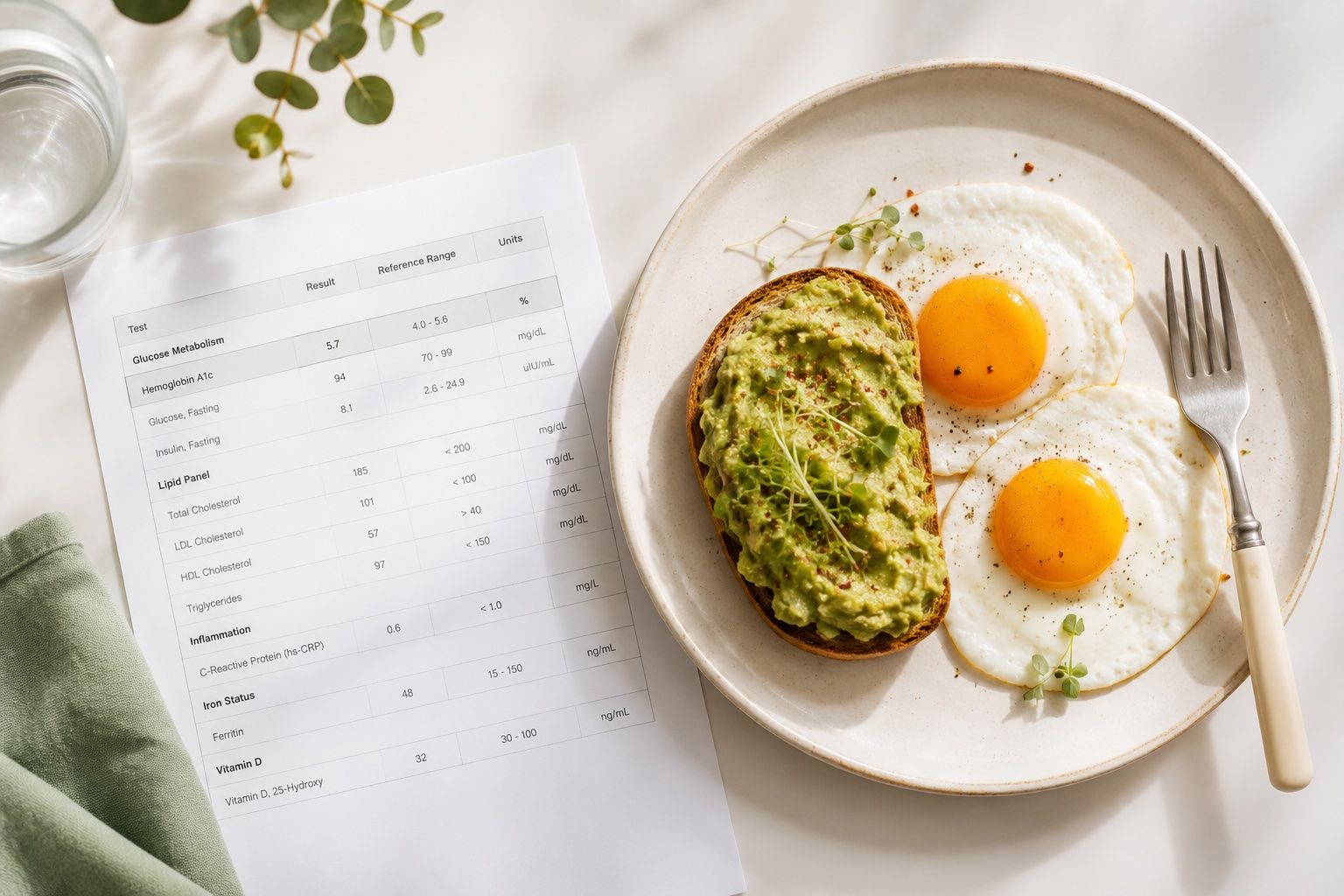
You got your lab results back. Your doctor circled a number: 5.7. Then said something like "you're borderline" or "keep an eye on this." And now you're home, Googling at midnight, not sure whether to panic or ignore it.
Here's the thing nobody tells you clearly: 5.7 is the earliest possible entry point into the prediabetes range. Which means you're also in the best possible position to do something about it.
What A1C Actually Measures
A1C is a 3-month average of your blood sugar levels. Not a snapshot from one bad day. Not a reflection of that birthday cake last week. Three months of your body's overall glucose management, expressed as a percentage.
At 5.7, your body is processing glucose just fine most of the time. It's just starting to show early signs of strain, usually from repeated blood sugar spikes that your insulin has to work overtime to manage.
The good news: that strain is highly reversible at this stage.
The Number to Watch Isn't the Label
A lot of people fixate on the word "prediabetic" and miss the more important story: the trend.
One test at 5.7 is information. Two tests trending toward 5.9 is a pattern worth addressing. Two tests trending toward 5.4 means what you're doing is working.
Your next A1C in 3 months will tell you more than this one ever could.
What Actually Moves It
You don't need a full diet overhaul. The habit that moves A1C most reliably is deceptively simple: don't eat carbs alone.
Carbs eaten by themselves hit your bloodstream fast, spike your glucose hard, and force your insulin to scramble. Do that repeatedly across months and your A1C creeps up.
Carbs eaten with protein and fat behave completely differently. The fat and protein slow down digestion, which flattens the glucose curve. Same carbs, meaningfully different response.
So rice with chicken and olive oil. Bread with eggs and avocado. Fruit with Greek yogurt and nuts. You're not cutting anything out. You're just changing what's on the plate together.
A 10 to 15 minute walk after eating helps too. Your muscles absorb glucose directly during movement, which takes the load off your insulin. It doesn't have to be a workout. A walk around the block after dinner is enough to make a measurable difference.
The Myth Worth Busting
A lot of people at 5.7 immediately cut all carbs. That's not necessary and it's hard to sustain. Extreme restriction leads to cycles that actually make glucose management harder over time.
The goal isn't to eat less. It's to eat in combinations that keep your glucose stable. Plenty of people have brought their A1C from 5.7 back under 5.5 without giving up bread, rice, or fruit. They just stopped eating those things alone.
What to Do This Week
Pick one meal today and pair it. If breakfast is toast, add two eggs and half an avocado. If lunch is rice, add protein and a drizzle of olive oil. Don't change everything at once. Just start with one meal and notice how you feel two hours later.
Do that consistently for 3 months and your next A1C will tell you the story.
You caught this early. That's the whole game.
Still feeling like food and glucose are a mystery? GlucoSpike scores your meals for glucose impact before you eat, so you can see which combinations work for your body without the guesswork. No CGM required. Available on the App Store and Google Play.
"Sugar-free" doesn't mean spike-free. Scan it and know.
The GlucoSpike app includes a free barcode scanner — point your camera at any packaged product and get an instant GS Score showing how it will hit your blood sugar, plus what to grab instead. Product data comes from Open Food Facts, a public nonprofit database: 4M+ products, 150+ countries. Free forever.


Scanner free forever · No credit card · See how it works →