 GlucoSpike AI
Is Diet Coke Safe for Diabetes? What the Research Says About Diet Sodas and Blood Sugar
Diet Coke and other diet sodas won't directly raise blood sugar, but their artificial sweeteners and caffeine may affect gut health and insulin sensitivity. Here's what the research shows.
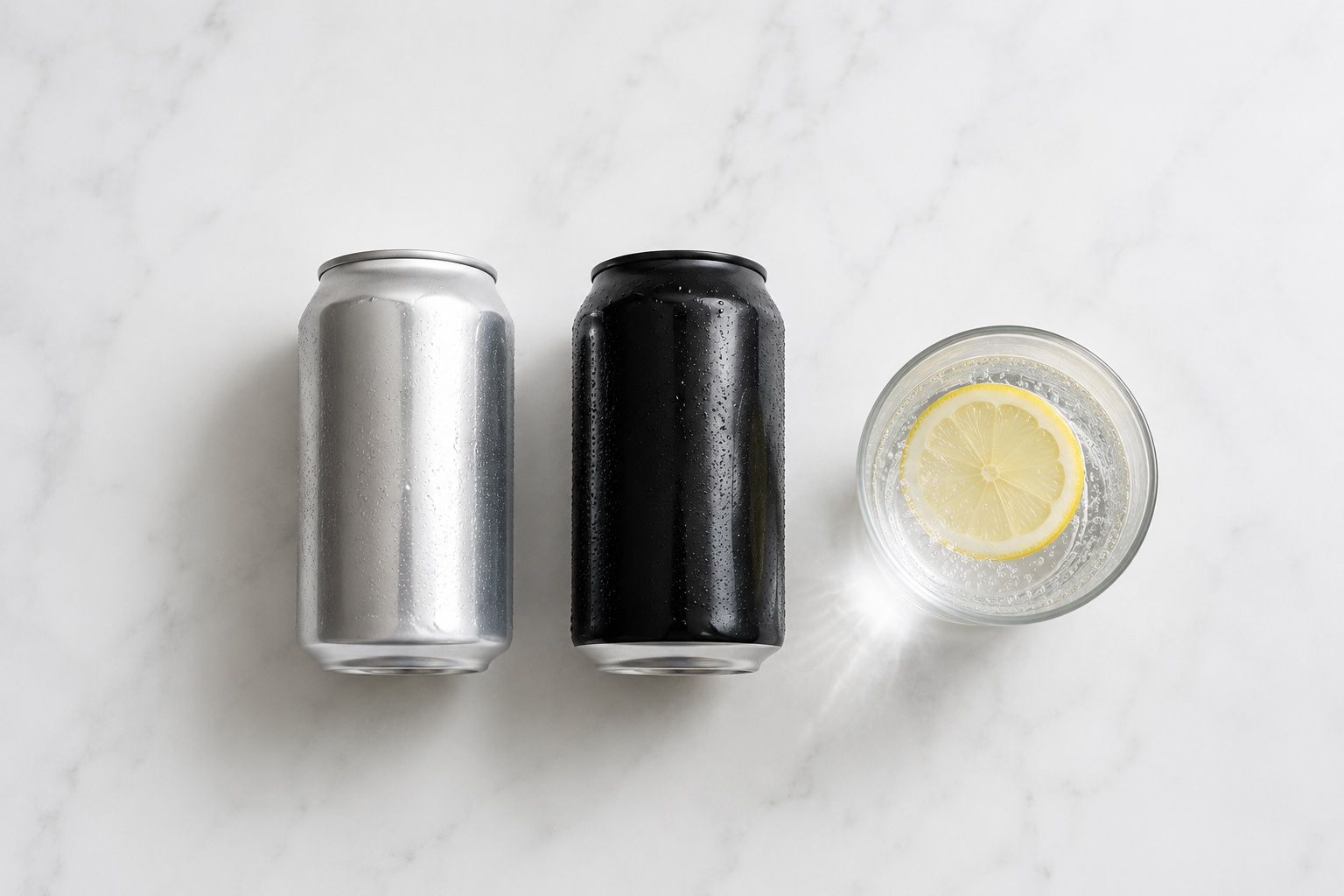
Your family's skepticism about diet beverages isn't totally wrong — but it's not the full picture either. The reality is more nuanced than "diet soda is fine" or "diet soda is bad." Here's what actually matters if you're managing diabetes or prediabetes.
Does Diet Coke Spike Blood Sugar?
No — at least not directly. Diet Coke uses aspartame as its primary sweetener instead of sugar. Aspartame doesn't raise blood glucose in the way sugar does, which is why diet sodas are often recommended as the safer swap for people with diabetes.
But "no direct glucose spike" isn't the same as "no effect on blood sugar management." There are indirect pathways that matter over time.
The Gut Microbiome Angle
This is where the research gets interesting. Studies have found that artificial sweeteners like aspartame (Diet Coke), sucralose (Splenda), and acesulfame-K can alter the composition of gut bacteria with regular use. Your gut microbiome plays a significant role in how your body processes glucose — so disrupting it repeatedly can affect insulin response indirectly.
A 2022 study published in Cell found that saccharin and sucralose significantly altered gut microbiome composition and impaired glycemic response in some participants. The effects varied considerably between individuals — which is part of why the research on this topic feels inconsistent. Some people's glucose is meaningfully affected; others show almost no change.
Diet Coke vs. Coke Zero: Is There a Difference?
Slightly, yes. Diet Coke uses aspartame as its primary sweetener. Coke Zero uses a blend of aspartame and acesulfame-K. From a gut health perspective, acesulfame-K has shown more consistent negative effects on gut bacteria in animal studies than aspartame alone. If you're choosing between the two, Diet Coke has a marginally cleaner sweetener profile — though both are still artificial sweeteners with similar indirect risk profiles.
Neither is dramatically better or worse than the other in practical terms for most people.
The Caffeine Factor
Both Diet Coke and Coke Zero contain caffeine (around 34mg per 12oz can, compared to 95mg in a standard cup of coffee). Caffeine can temporarily reduce insulin sensitivity, meaning your body needs to produce more insulin to manage the same glucose load from a meal eaten shortly after.
The caffeine dose in a single Diet Coke is relatively modest compared to coffee, so this effect is less pronounced than with energy drinks. But if you're drinking multiple cans throughout the day, it can add up.
Better Alternatives to Diet Soda
If you're looking for fizzy drinks with zero glucose impact and cleaner ingredients, here's what actually works:
- Sparkling water with lemon or lime — zero sweeteners, zero glucose impact, no gut disruption. The closest thing to a universally safe swap.
- Zevia — sweetened with stevia instead of artificial sweeteners. Stevia has a much better gut health profile than sucralose or aspartame, with minimal effect on blood glucose or gut bacteria in current research.
- Sparkling water brands like LaCroix or Waterloo — naturally flavored, no sweeteners of any kind. If you like carbonation, these are the cleanest option.
- Unsweetened iced tea or cold brew — still has caffeine, but no artificial sweeteners. A reasonable middle ground if you want flavor and caffeine without the sweetener issue.
The Bottom Line
An occasional Diet Coke or Coke Zero is very unlikely to cause problems. The concern is daily habit — repeatedly exposing your gut to artificial sweeteners over months can have a cumulative effect on how you process glucose.
If you're switching from regular Coke to Diet Coke as a harm-reduction move, that's a reasonable step forward. But if you're serious about managing blood sugar long-term, moving toward sparkling water or stevia-sweetened drinks is the cleaner play.
Your drink choices are just one input into your overall glucose pattern. If you want to understand which meals and habits are actually moving your numbers, GlucoSpike AI lets you log meals and see the predicted glucose impact — no CGM required. It's a practical way to see the full picture, not just the sugar content on a label.
- diabetes
- prediabetes
- diet soda
- Diet Coke
- Coke Zero
- artificial sweeteners
- blood sugar
- insulin resistance
- metabolic health
"Sugar-free" doesn't mean spike-free. Scan it and know.
The GlucoSpike app includes a free barcode scanner — point your camera at any packaged product and get an instant GS Score showing how it will hit your blood sugar, plus what to grab instead. Product data comes from Open Food Facts, a public nonprofit database: 4M+ products, 150+ countries. Free forever.


Scanner free forever · No credit card · See how it works →