 GlucoSpike AI
 · Chai
How Much Does a CGM Actually Cost? (With and Without Insurance)
Thinking about getting a continuous glucose monitor? Here's the real breakdown of what a CGM costs in 2025 — with insurance, without it, and what to consider before spending $1,500+ a year.
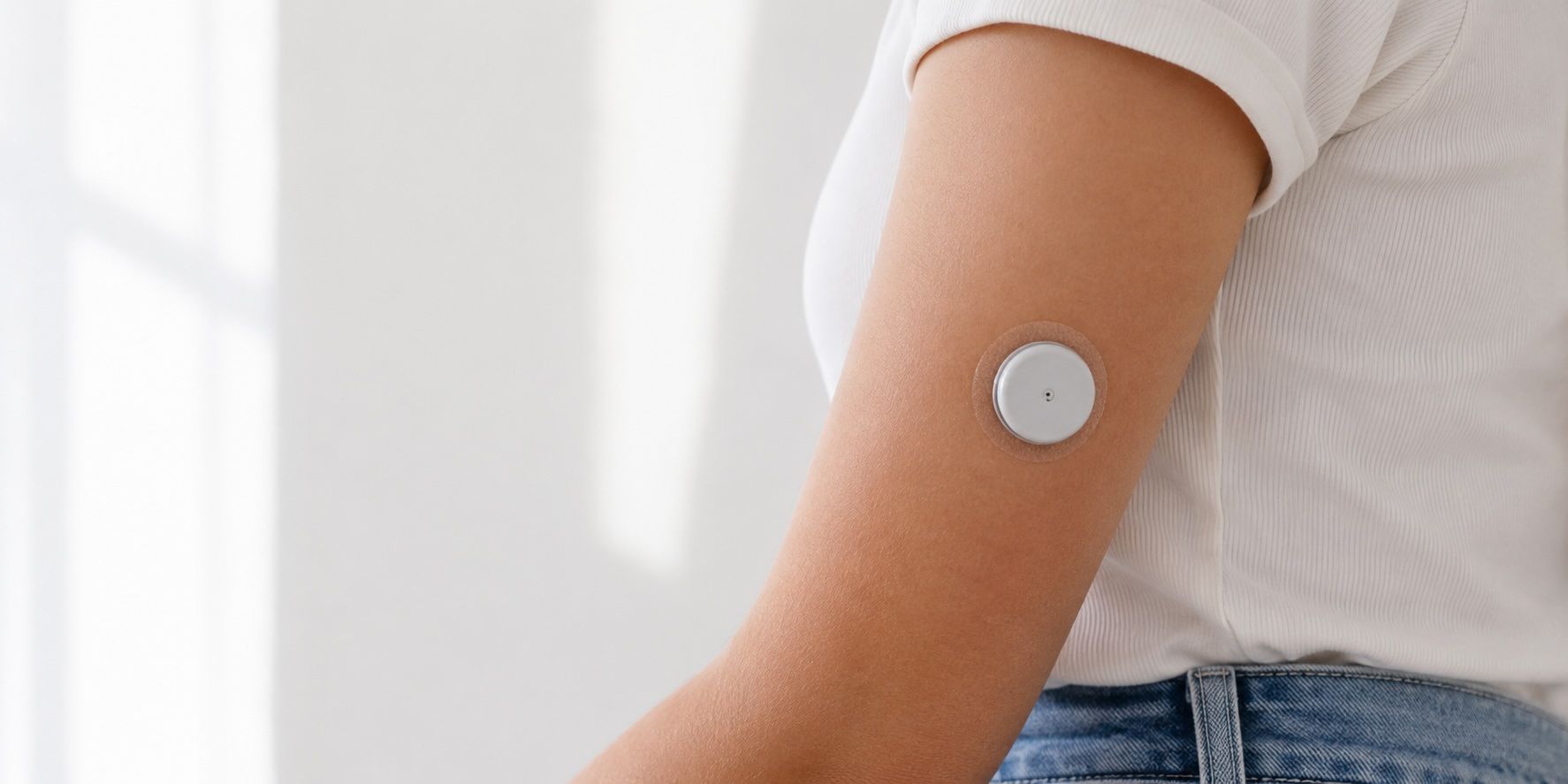
Continuous glucose monitors (CGMs) have gone from niche diabetes tech to mainstream wellness tools — but the price tag can still shock first-time buyers. Before you commit, here's an honest look at what a CGM actually costs in 2025, what insurance covers, and whether there's a smarter way to start.
The Real Cost of a CGM in 2025
CGM costs vary widely depending on the brand, whether you have insurance, and how you buy it. Here's the breakdown for the three most popular systems:
FreeStyle Libre 3 (Abbott)
- Sensor cost: ~$160 for a 2-pack (each sensor lasts 14 days)
- Monthly cost: ~$160/month without insurance
- Annual cost: ~$1,920/year
- With insurance: Most commercially insured patients pay $0–$75/month
Dexcom G7
- Sensor cost: ~$320–$350 for a 3-pack (each sensor lasts 10 days)
- Transmitter: Integrated into sensor on G7 (no separate cost)
- Monthly cost: ~$320–$400/month without insurance
- Annual cost: $3,800–$5,000+/year out of pocket
- With insurance: Varies significantly; many plans cover it with prior authorization
Medtronic Guardian / Simplera
- Sensor cost: ~$60/week (~$240/month for sensors alone)
- Transmitter: ~$800 upfront (1-year warranty)
- Annual cost: ~$3,700+/year (sensors only, after transmitter)
FreeStyle Libre 3 is the most affordable at roughly $1,920/year. Dexcom G7 can run $5,000+ without insurance. Most people with commercial insurance pay far less — but many still pay $50–$150/month.
Want the exact number for your situation? Check current Dexcom G7 pricing directly. View Dexcom pricing →
What Does Insurance Actually Cover?
Insurance coverage for CGMs has expanded significantly. As of 2024, Medicare extended CGM eligibility to more Type 2 diabetes patients with documented hypoglycemia. Most commercial insurance plans also cover CGMs for Type 1 and insulin-dependent Type 2 diabetes.
The catch: Getting approved often requires:
- A prescription from your doctor
- Documentation of your diagnosis (Type 1, insulin-dependent Type 2, or gestational diabetes)
- Prior authorization (which can take days or weeks)
- Proof of medical necessity in some cases
If you're not on insulin or don't have a formal diabetes diagnosis, getting insurance to cover your CGM is significantly harder — even with the newer OTC options.
What About Over-the-Counter CGMs?
In 2024, the FDA approved the first over-the-counter CGMs — Dexcom Stelo and Abbott Libre Rio — specifically for people with Type 2 diabetes who are not on insulin, and those with prediabetes.
This was a major shift: for the first time, you don't need a prescription to buy a CGM.
But OTC doesn't mean cheap. The Stelo and Libre Rio are priced comparably to their prescription counterparts, meaning you're still looking at $100–$200/month without insurance or a discount program.
- CGM
- continuous glucose monitor
- diabetes tech
- blood sugar
- insurance
- cost comparison
- GlucoSpike AI
- metabolic health
"Sugar-free" doesn't mean spike-free. Scan it and know.
The GlucoSpike app includes a free barcode scanner — point your camera at any packaged product and get an instant GS Score showing how it will hit your blood sugar, plus what to grab instead. 4M+ products, 150+ countries, free forever.


Scanner free forever · No credit card · See how it works →