 GlucoSpike AI
 · Chai
5 Best Soups for Diabetics: The Science of Managing Post-Meal Spikes
Discover five science-backed soups that help manage post-meal blood sugar spikes through distinct biological mechanisms like enzyme inhibition and delayed digestion.
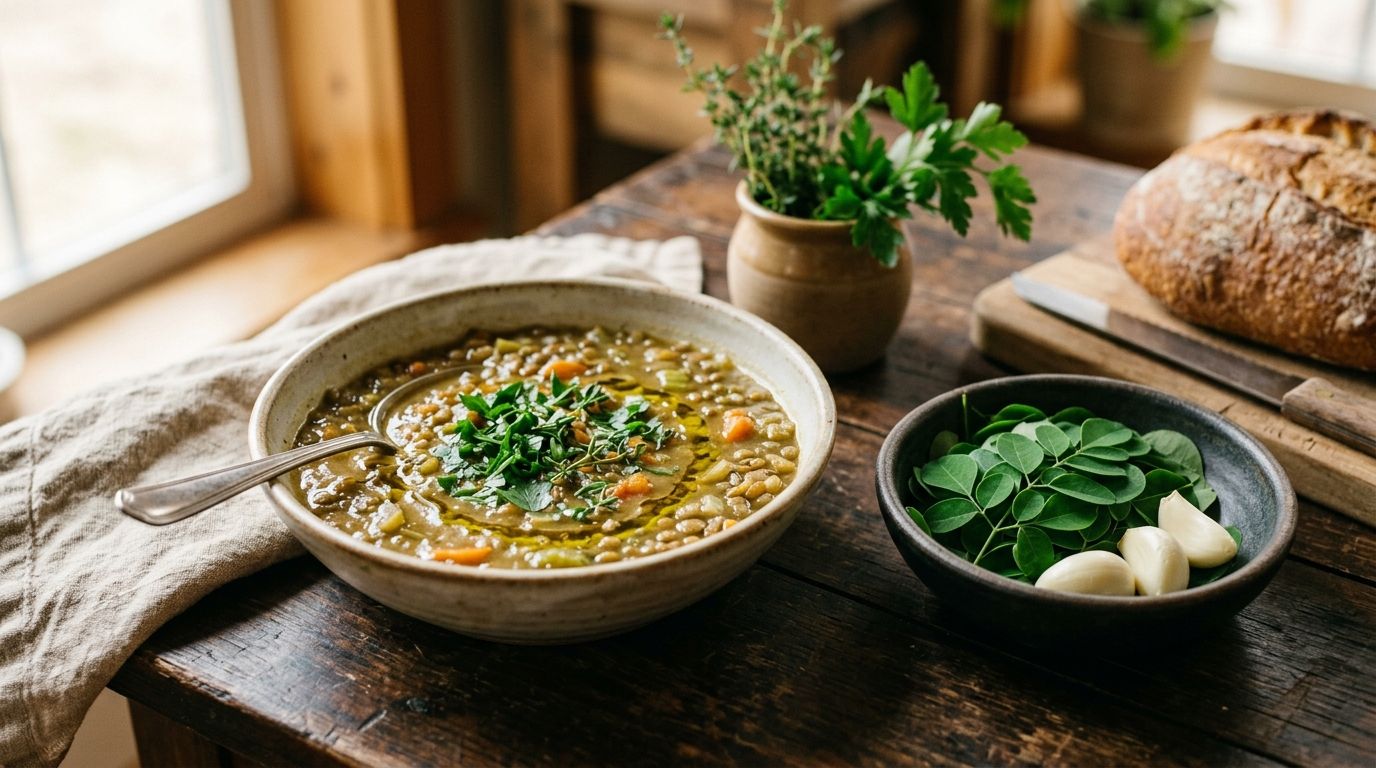
Finding meals that keep your blood sugar stable can feel like a guessing game. When looking for the 5 best soups for diabetics, the goal is not just to find low carb options, but to identify ingredients that actively help manage how your body processes glucose. Science shows that certain traditional soup ingredients contain natural compounds that can alter carbohydrate digestion and improve insulin sensitivity.
At GlucoSpike, we focus on predicting how meals affect your body before you take the first bite. By looking at the biological mechanisms of specific foods, we can turn unpredictable post-meal spikes into patterns you can see coming. Let us look at five evidence-backed soups that target post-meal blood sugar through different physical pathways.
1. Moringa Leaf Soup: The Starch-Blocker Pathway
Moringa oleifera leaves are rich in bioactive compounds that interfere with how your body breaks down carbohydrates. Moringa leaf soup works by inhibiting alpha-amylase, which is the primary digestive enzyme responsible for splitting complex starches into simple glucose molecules. Laboratory studies suggest that moringa extracts can inhibit this enzyme by more than 68 percent, mimicking the pathway of some common blood sugar medications.
In a clinical trial observing individuals with type 2 diabetes, researchers added 20 grams of moringa leaf powder to a standard meal. The subjects who consumed the moringa-supplemented meal showed significantly lower blood glucose increments between 90 and 150 minutes after eating compared to the control group. This suggests that incorporating fresh moringa leaves or moringa powder into a savory broth can help smooth out the late-phase glucose curve.
If you want to try this at home, you can simmer fresh moringa leaves in a light garlic and ginger broth. A quick warning is necessary here. Because moringa is highly effective at lowering glucose, you should monitor your levels closely if you take insulin or oral glucose-lowering medications to avoid hypoglycemia.
2. Bitter Gourd Soup: The Insulin Mimic
Bitter gourd, also known as bitter melon, is a traditional staple in Asian cuisine. Bitter gourd soup contains two key compounds called charantin and polypeptide-p. These compounds act similarly to insulin by helping transport glucose out of your bloodstream and directly into your muscle and liver cells for storage.
One clinical trial demonstrated a 54 percent drop in post-meal glucose levels when participants consumed daily bitter gourd extract. However, broader scientific reviews show mixed results. The effectiveness of bitter gourd seems highly dependent on the dose and how the vegetable is prepared, meaning real-world results can be inconsistent.
To make a traditional bitter gourd soup, slice the melon thin and salt it first to draw out some of the intense bitterness. Simmer it with a lean protein like chicken or tofu. Like moringa, bitter gourd has strong active properties, so consult your doctor if you are already taking blood sugar medications.
3. Lentil Soup: The Strongest Clinical Evidence
Lentils offer some of the most robust, soup-specific clinical evidence available. Lentil soup is rich in soluble fiber and resistant starch, which escape early digestion and feed beneficial gut bacteria. This slow digestive process prevents rapid glucose absorption.
A controlled study published in the Journal of Nutrition directly compared lentil soups to potato-based soups. The researchers found that green and red lentil soups significantly lowered the incremental area under the curve for blood glucose. Even better, the lentil soups achieved this lower glucose response while requiring less insulin production from the pancreas.
The science indicates that the minimum effective serving is about 110 grams of cooked lentils, which is roughly half a cup. A simple brown or green lentil soup seasoned with cumin, carrots, and celery is an excellent, reliable choice for your weekly meal prep.
4. Fenugreek Soup: Slowing Down Digestion
Fenugreek seeds are a powerhouse for glucose control. Fenugreek soup works primarily by delaying gastric emptying. The seeds contain a high amount of a soluble fiber called galactomannan, which swells in your stomach and slows down the rate at which carbohydrates are absorbed into the bloodstream.
In a classic clinical trial involving individuals with non-insulin-dependent diabetes, consuming 15 grams of soaked fenugreek powder significantly reduced post-meal glucose spikes. A comprehensive 2023 meta-analysis confirmed this beneficial direction, though the exact effect size varies depending on how the seeds are prepared and consumed.
You can incorporate fenugreek into your diet by lightly roasting the seeds and grinding them into a vegetable broth, or by adding fresh fenugreek leaves to a tomato-based soup. Keep in mind that fenugreek has a distinct, maple-like aroma that can affect the flavor profile of your broth.
5. High-Fiber Vegetable Soup: The Strategic Starter
Our final recommendation is not about a single exotic ingredient, but rather a structural eating strategy. Eating a high-fiber vegetable soup as a starter before you consume any carbohydrates can dramatically change your glycemic response. This technique coats your digestive tract with fiber, which slows down the absorption of any glucose that follows.
Food-order studies in people with type 2 diabetes show that eating fibrous vegetables 10 to 15 minutes before carbohydrates reduces both the peak glucose level and overall glucose variability for up to three hours. This simple shift in timing helps prevent the sharp spikes that often follow a carbohydrate-dense meal.
To put this into practice, start your dinner with a simple, clear broth containing non-starchy vegetables like spinach, broccoli, or cabbage. Avoid adding noodles, rice, or potatoes to this starter soup. Save those carbohydrates for the main course.
A Science-Backed Soup Recipe: Lentil and Moringa Broth
This comforting soup combines two of our top-performing ingredients. By pairing the soluble fiber of lentils with the starch-blocking properties of moringa, this recipe is designed to support a steady post-meal glucose curve.
Ingredients you will need
- 1 cup dry brown or green lentils, thoroughly rinsed
- 4 cups low-sodium vegetable or chicken broth
- 1 cup fresh moringa leaves, or 1 tablespoon organic moringa powder
- 1 medium yellow onion, finely diced
- 2 cloves garlic, minced
- 1 tablespoon olive oil
- 1 teaspoon ground cumin
- Salt and black pepper to taste
Step-by-step preparation
- Heat the olive oil in a large pot over medium heat, then add the diced onion and minced garlic. Sauté for about three to five minutes until they are soft and fragrant.
- Stir in the ground cumin and cook for one minute to release the flavor of the spice.
- Add the rinsed lentils and the broth to the pot, then bring the mixture to a boil.
- Reduce the heat to low, cover the pot with a lid, and let it simmer for about twenty-five to thirty minutes until the lentils are tender.
- Stir in the fresh moringa leaves or moringa powder during the last five minutes of cooking so they wilt but retain their active compounds.
- Season with a pinch of salt and black pepper before serving hot.
Frequently asked questions
Can I eat canned soups if I have type 2 diabetes?
Canned soups can be part of a diabetes-friendly diet, but you must read the labels carefully. Many commercial canned soups contain high amounts of sodium and hidden starches, such as cornstarch or modified food starch, which are used as thickeners and can cause unexpected glucose spikes. Opt for low-sodium versions that are broth-based and loaded with whole, non-starchy vegetables.
How does soup help lower blood sugar compared to solid meals?
Soup does not inherently lower blood sugar on its own, but the high water content increases meal volume, which can promote fullness and slow down your overall eating pace. Additionally, when you cook vegetables and legumes in a soup, the soluble fiber dissolves into the liquid, helping to slow down gastric emptying and delay glucose absorption when consumed.
Should I blend my vegetable soup or leave it chunky?
Leaving your vegetable soup chunky is generally better for managing blood sugar. Blending vegetables breaks down their physical fiber structure, which allows your body to digest them much faster and can lead to a quicker rise in glucose. Keeping the vegetables whole requires more chewing and slows down digestion, helping to maintain stable post-meal glucose levels.
"Sugar-free" doesn't mean spike-free. Scan it and know.
The GlucoSpike app includes a barcode scanner — point your camera at any packaged product and get an instant GS Score showing how it will hit your blood sugar, plus what to grab instead. Product data comes from Open Food Facts, a public nonprofit database: 4M+ products, 150+ countries. Your first 7 scans every week are free.


7 free scans a week · No credit card · See how it works →