 GlucoSpike AI
Artificial Sweeteners (Aspartame, Stevia, Sucralose, Monk Fruit) and Diabetes: A Divided Debate
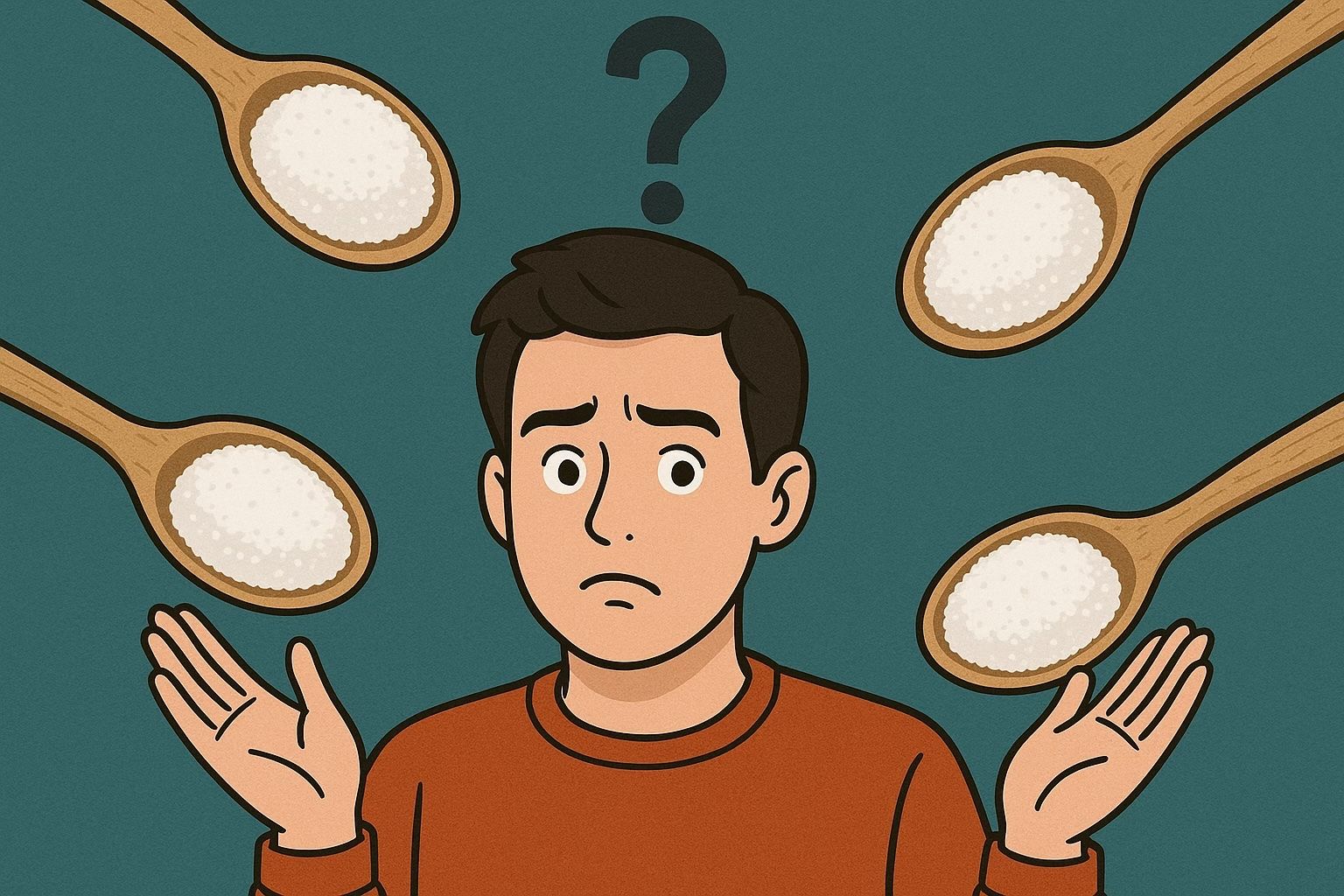
Non-nutritive sweeteners like aspartame, stevia, and monk fruit offer sweetness without sugar spikes, but their long-term health effects remain under study.
Why Many People with Diabetes Use Artificial Sweeteners
Artificial sweeteners are low- or zero-calorie sugar alternatives that allow people with diabetes to enjoy sweet tastes while limiting carbohydrate intake and avoiding sharp blood glucose spikes.
Weight Management: By replacing sugar, these sweeteners can help reduce overall calorie intake, supporting weight control — an important part of diabetes management.
Blood Sugar Stability: Stevia and monk fruit, in particular, are noted for not raising blood glucose or insulin levels, making them popular choices for people monitoring their blood sugar.
A Closer Look at Each Sweetener
Stevia
Stevia is a plant-based sweetener derived from Stevia rebaudiana.
- Does not cause blood glucose or insulin spikes.
- May improve insulin sensitivity in some individuals.
- Contains antioxidant compounds.
Note: Many studies use whole stevia leaf, but in the U.S. only purified stevia extracts are FDA-approved for use as sweeteners.
Sucralose
Often recognized by the brand name Splenda:
- Zero-calorie and heat-stable, so it is commonly used in baking.
- Some studies suggest sucralose can raise insulin levels slightly (Pepino et al., 2015).
- May decrease insulin sensitivity and alter gut microbiota (Romo-Romo et al., 2023).
- May negatively impact gut microbial diversity.
Aspartame
- Widely used artificial sweetener.
- Calorie-free and does not affect blood sugar directly (Horwitz et al., 1985).
- Some studies suggest links to weight gain and altered gut microbiota (Ashok et al., 2017).
- Long-term safety remains under investigation (Debras et al., 2023).
Monk Fruit Sweetener
Derived from the monk fruit (Luo Han Guo), monk fruit sweetener is rapidly growing in popularity:
- Does not raise blood glucose or insulin levels (WebMD, n.d.).
- Contains mogrosides with potential antioxidant and anti-inflammatory properties.
- May support gut health with no known adverse effects.
- GRAS-approved by the FDA.
Consumer Tip: Some monk fruit products are blended with fillers like erythritol. Check labels to understand what's in your sweetener.
Sweetener Comparison Summary
Stevia and monk fruit appear most favorable overall: they do not raise blood sugar, are generally neutral or beneficial for gut health, and may offer additional benefits like antioxidant activity and potential support for insulin sensitivity. Sucralose and aspartame also do not raise blood sugar but may negatively affect gut health in some contexts, despite being widely used and FDA approved.
| Sweetener | Effect on Blood Sugar | Gut Health | Benefits | Status |
|---|---|---|---|---|
| Stevia | None | Neutral or beneficial | May support insulin sensitivity | GRAS (FDA) |
| Sucralose | None (some insulin response) | Possible negative impact | Heat stable, widely available | FDA approved |
| Aspartame | None | Possible negative impact | Widely used, zero calorie | FDA approved |
| Monk Fruit | None | Neutral or beneficial | Antioxidant, gut-friendly | GRAS (FDA) |
Health Concerns and Criticisms
Insulin Response
Some artificial sweeteners may trigger insulin release by stimulating sweet taste receptors — even without raising blood glucose. For example, sucralose was shown to increase insulin by 20% in a human study (Pepino et al., 2015).
Gut Microbiome Impact
Research suggests artificial sweeteners, particularly sucralose and aspartame, can alter gut bacteria and possibly affect metabolism (Diabetes, 2024).
Cravings and Appetite
Artificial sweeteners may confuse the brain's satiety signals, potentially increasing hunger (Healthline, n.d.).
Long-Term Safety Unknowns
While these sweeteners are considered safe in moderation, some observational studies link high intake to increased risk of type 2 diabetes and metabolic disorders (British Journal of Nutrition, 2024); (Diabetes Care, 2023).
Key Takeaways for Consumers
- Moderation is Key: Sweeteners can help reduce sugar intake, but overuse may have downsides.
- Individual Differences: Monitor your body's reaction to various sweeteners.
- Monk Fruit and Stevia Stand Out: These two options have the most favorable profiles based on current research.
- Check Product Labels: Some sweeteners are mixed with other substances that may affect blood sugar.
- Talk to Your Provider: Discuss dietary changes with your healthcare professional.
References
- Healthline. (n.d.). Sucralose and Diabetes: Know the Facts
- Romo-Romo, A., et al. (2023). PMC Article
- Pepino, M.Y., et al. (2015). PubMed Study
- Medical News Today. (n.d.). Sucralose and Diabetes
- Romo-Romo, A., et al. (2024). Diabetes Journal
- Horwitz, D.L., et al. (1985). PubMed Study
- Ashok, I., et al. (2017). PubMed Study
- Debras, C., et al. (2023). Diabetes Care
- Frontiers in Nutrition. (2024). Artificial Sweeteners and Diabetes
- British Journal of Nutrition. (2024). Study on Sweeteners
- WebMD. (n.d.). Monk Fruit Overview
Author Bio: This article was written by a GlucoSpike wellness writer specializing in nutrition science communication. This content is for educational purposes only and does not replace professional medical advice.
"Sugar-free" doesn't mean spike-free. Scan it and know.
The GlucoSpike app includes a free barcode scanner — point your camera at any packaged product and get an instant GS Score showing how it will hit your blood sugar, plus what to grab instead. Product data comes from Open Food Facts, a public nonprofit database: 4M+ products, 150+ countries. Free forever.


Scanner free forever · No credit card · See how it works →