 GlucoSpike AI
 · Chai
Is Cereal Safe for Diabetics? The Hidden Starches and Better Breakfast Alternatives
Many breakfast cereals contain hidden corn and tapioca starches that cause rapid blood sugar spikes. Learn how these ingredients affect your body and how to find safer alternatives.
The Reality of Breakfast Cereals and Blood Sugar
When you are managing diabetes, finding a quick breakfast can feel like walking through a minefield. Many people wonder, is cereal safe for diabetics? The short answer is that most traditional boxed cereals are highly likely to cause rapid, significant blood sugar spikes, even those marketed as healthy, whole grain, or diabetic friendly.
To understand why this happens, we have to look past the front of the box. Traditional cereal manufacturing relies heavily on processing grains into fine flours, which the body digests almost instantly. This rapid digestion floods the bloodstream with glucose much faster than intact whole foods do.
Why Traditional Cereals Cause Rapid Glucose Spikes
The main issue with breakfast cereal is the physical structure of the food. During manufacturing, grains undergo a process called extrusion. High heat and pressure shape the cereal, but this process also breaks down the natural fiber matrix of the grain.
Without that natural fiber matrix, your digestive enzymes convert the starch into sugar almost immediately upon eating. A bowl of processed cereal can raise blood sugar as quickly as drinking a glass of sweetened soda, even if the cereal has no added table sugar.
The Hidden Culprits: Corn and Tapioca Starches
Many modern cereals, especially grain-free or low-carb options, use alternative ingredients to keep their crunchy texture. Manufacturers often mix these products with refined corn starch, tapioca starch, or potato starch to bind the ingredients together.
These isolated starches are highly problematic for glucose control. They are pure, rapidly absorbing carbohydrates that lack the protein, fiber, or healthy fats needed to slow down digestion. When you eat a food high in tapioca or corn starch, your body converts it to glucose almost instantly, leading to a sharp post-meal spike.
How GlucoSpike Helps You See the Impact Before You Eat
This is where predictive tools can help you make safer choices. GlucoSpike does not measure your current blood sugar like a continuous glucose monitor does. Instead, it predicts the estimated glucose impact of a meal before you take your first bite.
By analyzing the ingredient list of a cereal, including those hidden starches, the GlucoSpike AI can show you a predicted glucose curve. This helps you see the potential spike coming so you can adjust your portion, swap the cereal, or pair it with protein to flatten the curve.
How to Build a Safer Breakfast
You do not have to give up quick breakfasts entirely. You can use several strategies to enjoy a morning meal without the dramatic blood sugar spike.
- Choose minimally processed grains like steel-cut oats or groats instead of flaked or puffed cereals.
- Always check the ingredient list for corn starch, tapioca starch, or modified food starch near the top.
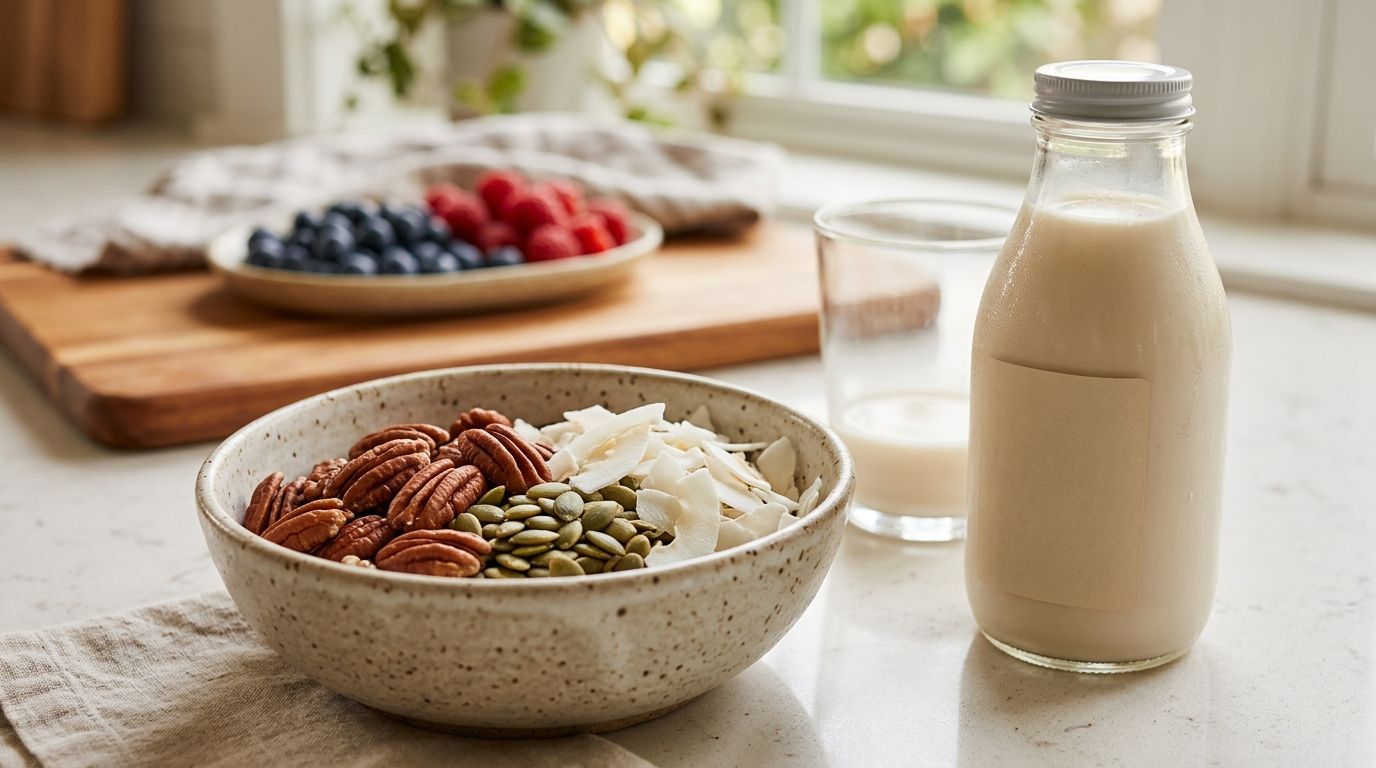
- Add a strong source of protein and fat, such as walnuts, chia seeds, or unsweetened Greek yogurt, to slow down digestion.
- Practice portion control by measuring your cereal rather than pouring it directly into a large bowl.
Frequently asked questions
Is oatmeal a safer choice than boxed cereal for diabetics?
Oatmeal can be a safer choice for blood sugar management if you choose minimally processed varieties. Steel-cut and rolled oats retain their natural fiber structure, which slows down digestion. Avoid instant oatmeal packets, which often contain added sugars and are processed to digest much faster.
Why do grain-free cereals still spike my blood sugar?
Grain-free cereals often rely on isolated starches like tapioca starch, arrowroot, or potato starch to create a crunchy texture. These refined starches are dense sources of fast-digesting carbohydrates that can cause a rapid glucose rise, despite the cereal being technically grain-free.
Can I use milk to lower the glycemic index of my cereal?
Adding milk provides some protein and fat, which can slightly delay gastric emptying. However, traditional dairy milk also contains lactose, a natural sugar that adds to the overall carbohydrate load. Pairing cereal with unsweetened almond milk and a handful of real nuts is often more effective at minimizing a spike.
"Sugar-free" doesn't mean spike-free. Scan it and know.
The GlucoSpike app includes a free barcode scanner — point your camera at any packaged product and get an instant GS Score showing how it will hit your blood sugar, plus what to grab instead. Product data comes from Open Food Facts, a public nonprofit database: 4M+ products, 150+ countries. Free forever.


Scanner free forever · No credit card · See how it works →