 GlucoSpike AI
 · Chai
Is the Mediterranean Diet Safe for Diabetics?
Discover why the Mediterranean diet is highly recommended for managing blood sugar, how its unique fat and fiber mix works, and how to adapt it to your body.
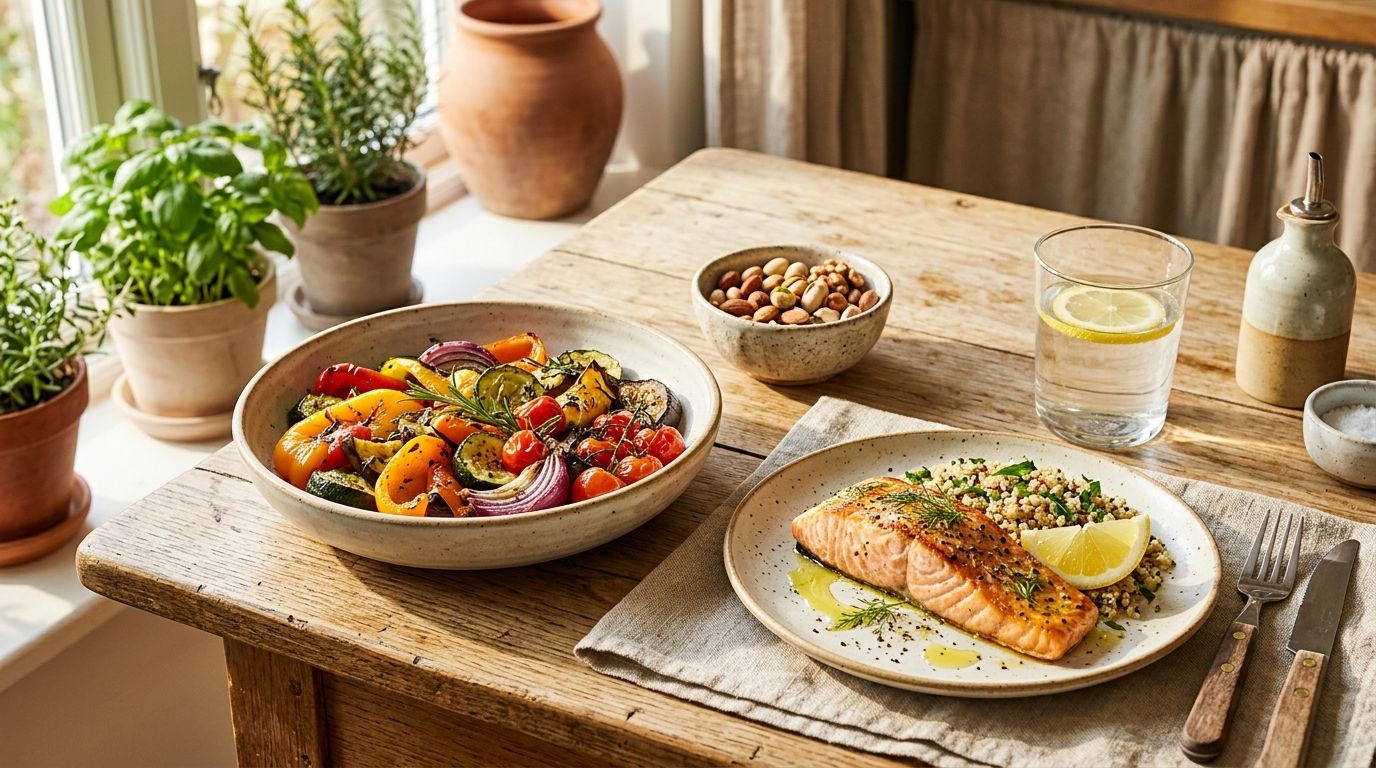
Yes, the Mediterranean diet is not only safe for diabetics, but it is also one of the most thoroughly researched and recommended eating patterns for managing blood sugar. This dietary approach focuses on whole foods, healthy fats, and fiber, which naturally support metabolic health. Instead of restricting entire food groups, it emphasizes nutrient-dense ingredients that help stabilize glucose levels throughout the day.
Why does the Mediterranean diet support blood sugar stability?
The secret behind the Mediterranean diet lies in its unique combination of healthy fats and dietary fiber. When you eat carbohydrates alongside healthy fats like extra virgin olive oil, your stomach empties more slowly. This slower digestion delays the absorption of glucose into your bloodstream, preventing a rapid rise in blood sugar.
Fiber plays an equally important role in this process. Soluble fiber, found in abundance in legumes, oats, and vegetables, forms a gel-like substance in your digestive tract. This gel slows down the enzymes that break down carbohydrates, leading to a gradual, manageable release of glucose rather than a sudden spike.
What does the scientific research show?
Numerous clinical trials have evaluated how this eating pattern affects metabolic health. Research consistently shows that individuals with type 2 diabetes who follow a Mediterranean-style diet experience improvements in their HbA1c levels, which is a marker of long-term blood sugar control. The diet is also associated with improved insulin sensitivity, meaning your cells can use glucose more effectively.
Furthermore, cardiovascular health is closely linked to diabetes management. The monounsaturated fats found in olive oil and nuts help improve cholesterol profiles. This double benefit of blood sugar support and heart protection is why healthcare providers frequently suggest this lifestyle.
How to build a Mediterranean plate
Transitioning to this style of eating does not require complex recipes. You can start by restructuring your plate using simple, whole-food swaps.
- Use extra virgin olive oil as your primary cooking fat instead of butter or refined seed oils.
- Fill half your plate with non-starchy vegetables like spinach, zucchini, and bell peppers.
- Incorporate moderate portions of lean proteins, focusing on fish like salmon or mackerel at least twice a week.
- Swap refined grains for small portions of intact whole grains like quinoa, farro, or wild rice.
- Enjoy a handful of walnuts or almonds as a snack instead of processed crackers.
Managing individual responses with GlucoSpike
While the Mediterranean diet is generally safe and highly beneficial, individual responses to specific foods will always vary. For example, some people might see a minimal glucose response after eating a portion of chickpeas, while others might experience a higher spike. This is where personalized data becomes valuable.
Using GlucoSpike can help you navigate these differences. GlucoSpike provides a predicted glucose impact score for meals before you eat them, allowing you to estimate how a Mediterranean-style recipe might affect your blood sugar. By comparing these predictions with your actual glucose measurements from a meter or continuous monitor, you can customize the diet to fit your unique metabolism.
Frequently asked questions about the Mediterranean diet
Is the fruit in the Mediterranean diet safe for diabetics?
Yes, fruit is safe when consumed in moderation. While fruit contains natural sugars, it also contains fiber, water, and antioxidants that slow down sugar absorption. For the best results, choose whole fruits like berries, apples, or pears instead of fruit juices, and consider pairing them with a handful of nuts to further stabilize your response.
Can I eat pasta on this diet if I have diabetes?
You can still enjoy pasta, but portion size and preparation matter. Opt for whole grain, legume-based, or high-fiber pasta options. Keep the portion small, cook it al dente to keep the glycemic index lower, and load the dish with fiber-rich vegetables, olive oil, and a clean protein source to minimize the glycemic impact.
Does the Mediterranean diet mean eating high fat?
The diet is moderate to high in fat, but the focus is entirely on healthy, unsaturated fats. These fats do not cause blood sugar spikes and are beneficial for your heart. It is important to replace less healthy saturated fats with these options rather than simply adding more fat to an unchanged diet.
"Sugar-free" doesn't mean spike-free. Scan it and know.
The GlucoSpike app includes a free barcode scanner — point your camera at any packaged product and get an instant GS Score showing how it will hit your blood sugar, plus what to grab instead. Product data comes from Open Food Facts, a public nonprofit database: 4M+ products, 150+ countries. Free forever.


Scanner free forever · No credit card · See how it works →