 GlucoSpike AI
Just Found Out You’re Borderline Pre-diabetic? Start With These 7 Golden Rules
Feeling confused after seeing high sugar levels for the first time? This guide shares 7 simple rules to help you take control—one meal, one habit at a time.
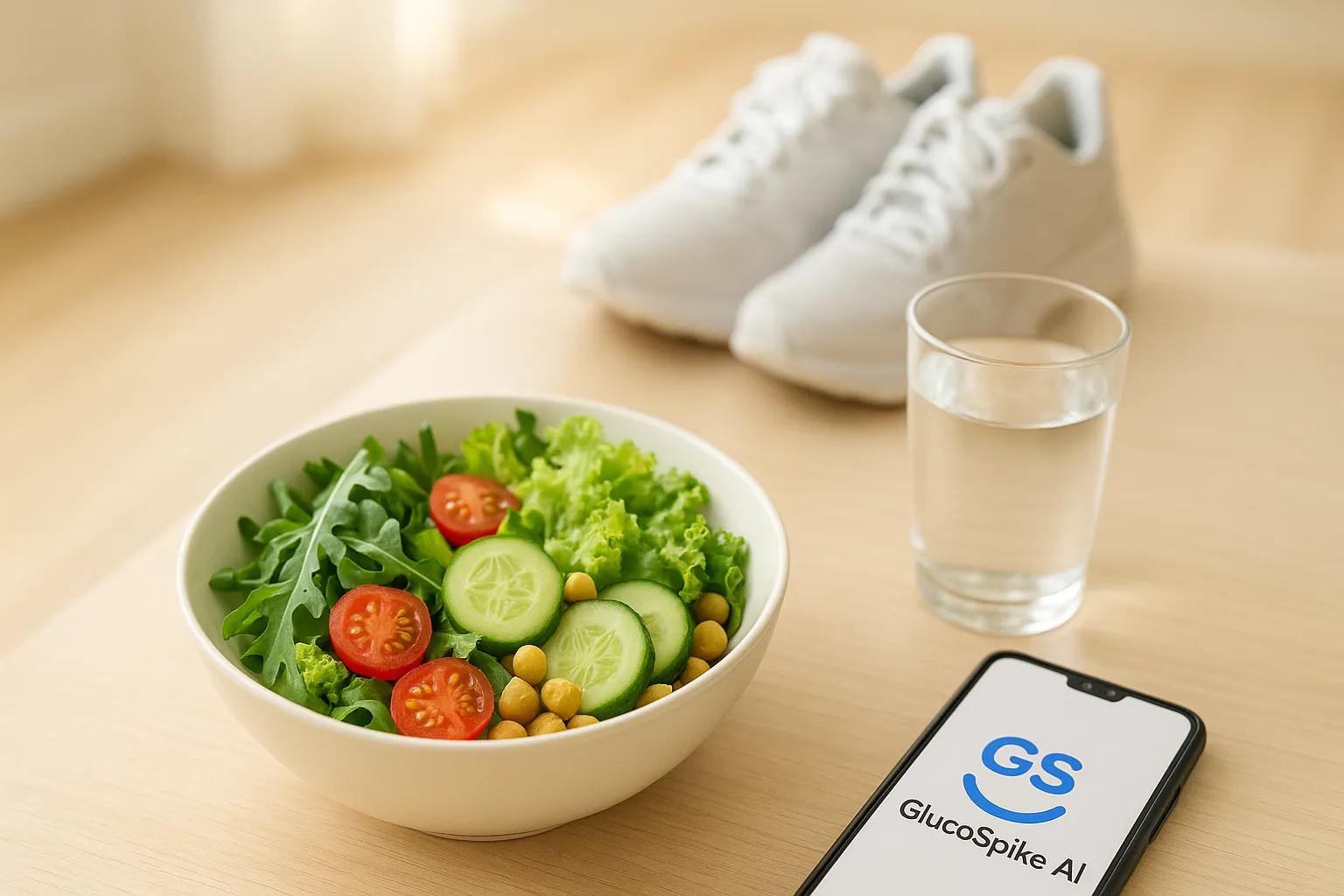
So you just discovered your blood sugar spikes more than expected — even after what seemed like a “normal” meal. Maybe you wore a CGM for a week. Maybe you checked manually. And now you’re seeing numbers like 160, 170, or even 180 after meals.
It’s confusing — especially if you workout, eat decently, and don’t have obvious symptoms.
But here’s the thing: early-stage insulin resistance and blood sugar issues often show up quietly. You don’t have to be overweight or inactive. You don’t even have to be “unhealthy."
The good news? If you’re catching it now — you can start making changes that may support better blood sugar balance.
🏆 The 7 Golden Rules for Better Glucose Control
These simple changes can help you flatten spikes, improve energy, and build long-term metabolic wellness — without tracking obsessively or giving up everything you enjoy.
🥦 1. Start Every Meal with Fiber or Protein
Why: This may slow how fast your body absorbs carbs and help reduce sugar spikes.
How: Before eating bread, rice, or pasta, have a few bites of:
- A boiled egg
- Greek yogurt or cottage cheese
- Leafy salad or steamed veggies
- A handful of almonds or pumpkin seeds
🍞 2. Stick to One Main Carb Per Meal
Why: Combining multiple carbs (like bread + pasta + juice) may overwhelm your glucose response.
How: Pick one:
- Bread or pasta
- Rice or potatoes
- Fruit or smoothie Avoid loading all in one meal.
🍎 3. No Fruit or Milk-Based Drinks Right After Meals
Why: Even healthy options like fruit or milk may spike sugar more when your body is already digesting carbs from a meal.
How:
- Wait 90 minutes after meals to eat fruit or drink tea/coffee with milk
- Or pair fruit with nuts to help slow digestion
🛌 4. Poor Sleep and Stress = Higher Sugar
Why: Sleep deprivation and chronic stress increase cortisol, which may raise your blood sugar — even if you’re eating clean.
How:
- Aim for 7–8 hours of quality sleep
- Create a nighttime wind-down ritual
- Step outside or walk briefly after stressful events
🚶 5. Move for 10 Minutes After Every Meal
Why: Walking after eating helps your muscles soak up glucose instead of letting it sit in your bloodstream.
How:
- Short walks around your home or office
- Light stretches or step-ups
- Even pacing during a phone call helps
🧠 6. Track Which Meals Are Making You Sluggish or Foggy
Why: That post-lunch slump, the 3pm brain fog, the heavy-eyed feeling an hour after eating — these aren't just tiredness. They're often your body's signal that a meal spiked your blood sugar and your energy is now crashing as glucose drops. Most people never connect the meal to the feeling because the gap is 60–90 minutes. But the pattern is consistent and trackable.
How:
- Log meals where you feel sluggish or foggy in GlucoSpike AI. Snap a photo, get a GlucoScore and an energy graph showing how that meal will likely affect how you feel
- Higher score = steadier energy. Lower score = spike risk. A meal you eat daily scoring 3–4 is your first target
- You don't need to log everything — just the meals that produce noticeable energy changes. 2–3 a week is enough
Steady energy after meals — no crash, no fog — is the signal you're looking for. Once you find the meals that reliably produce that, you've done the real work.
💧 7. Drink More Water Than You Think You Need
Why: Dehydration may reduce insulin sensitivity and make your body more sluggish.
How:
- 8–10 cups of water per day
- Add electrolytes or lemon if needed
- Avoid sugary drinks, even if labeled “natural”
🎯 Final Thoughts
Being "borderline" isn't a life sentence — it's an early warning. One that gives you the power to make small changes now that may help prevent bigger issues later.
These 7 golden rules aren’t about dieting or punishment. They’re about awareness, balance, and feeling better day by day.
With GlucoSpike AI, you don’t need to log every calorie or wear expensive devices. Just snap a photo of your meal, get your AI-based estimate, and learn what works for your body.
Want to try it out?
👉 Download GlucoSpike AI on the App Store
👉 Download GlucoSpike AI on the Play Store
📷 Eat smarter. One photo at a time.
Sources:
Written by the GlucoSpike Wellness Team — passionate about making blood sugar education simple, supportive, and science-based.
Not sure what to eat as a pre-diabetic? Use our free Diabetic Diet Plan Generator to get a personalized meal plan based on your glucose goals.
"Sugar-free" doesn't mean spike-free. Scan it and know.
The GlucoSpike app includes a free barcode scanner — point your camera at any packaged product and get an instant GS Score showing how it will hit your blood sugar, plus what to grab instead. Product data comes from Open Food Facts, a public nonprofit database: 4M+ products, 150+ countries. Free forever.


Scanner free forever · No credit card · See how it works →