 GlucoSpike AI
 · Chai
Top 7 Safe Fruits for Type 2 Diabetics: Enjoying Sweetness Without the Spike
Discover the best fruits that keep your blood sugar stable, backed by the science of glycemic load and fiber.
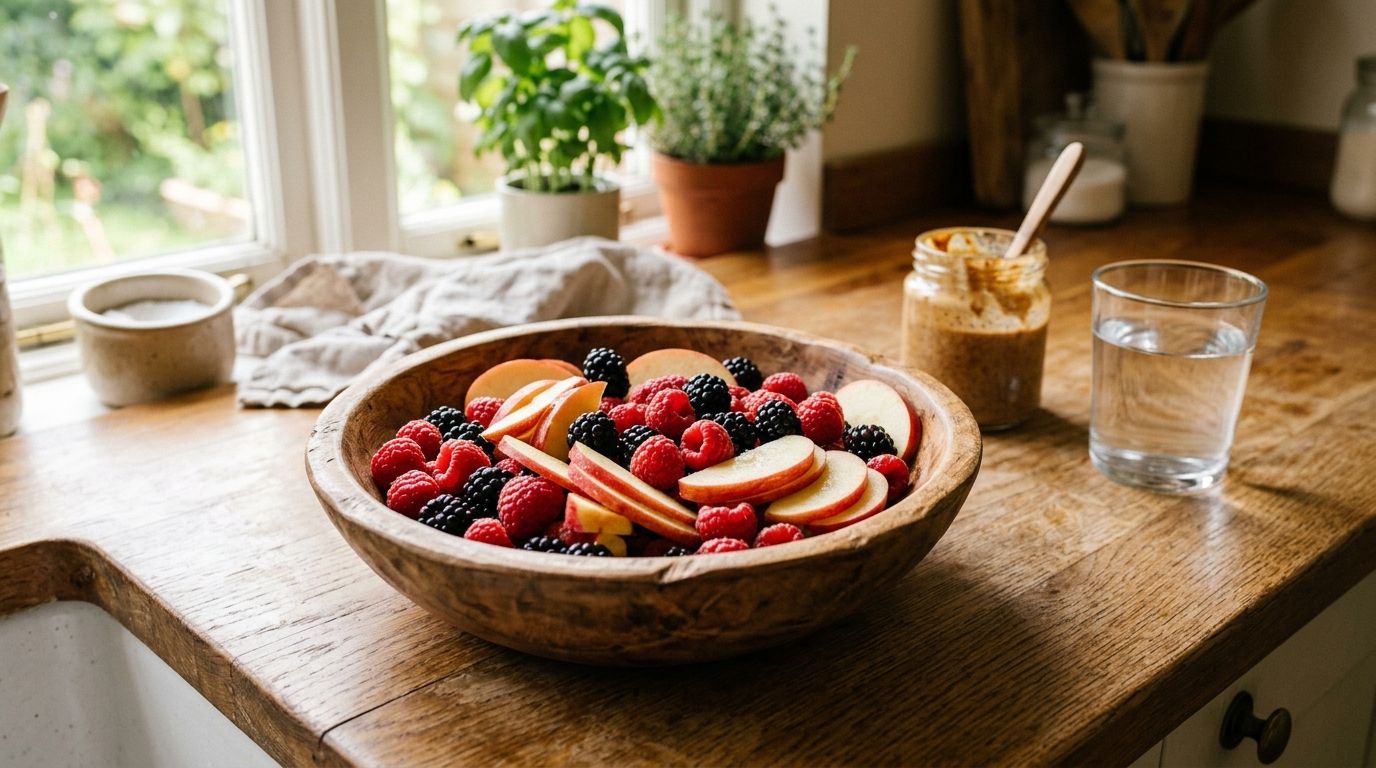
For a long time, people with diabetes were told to avoid fruit altogether because of its natural sugar. But finding safe fruits for type 2 diabetics is actually one of the best ways to satisfy a sweet tooth while keeping your blood sugar stable. The secret lies in understanding how fiber and water content slow down the absorption of those natural sugars.
When we eat fruit, our bodies process the natural sugar (fructose) differently than they process refined table sugar. This is because whole fruits are packed with soluble fiber. Soluble fiber turns into a gel-like substance in your digestive tract, which acts as a physical speed bump for sugar absorption.
Why Glycemic Load Matters More Than Glycemic Index
You might have heard of the Glycemic Index (GI), which ranks foods by how quickly they raise blood sugar. However, the Glycemic Load (GL) is a much more useful tool for real life. Glycemic load takes into account the actual portion size and the amount of water and fiber in a typical serving.
For example, watermelon has a high glycemic index because its sugar absorbs quickly. But because watermelon is mostly water, its glycemic load is actually very low. Understanding this difference helps you enjoy a wider variety of foods without unnecessary worry.
Our Top 7 Fruit Picks for Blood Sugar Stability
Here are seven of the best fruits you can comfortably include in your routine. These choices offer the best balance of low glycemic load, high fiber, and rich micronutrients.
- Raspberries: These are fiber superstars, offering about 8 grams of fiber per cup, which drastically minimizes any blood sugar impact.
- Blackberries: Similar to raspberries, these are packed with antioxidants and have a very low net carb count.
- Strawberries: A cup of strawberries provides more vitamin C than an orange, with a very low glycemic load.
- Apples (with the skin): Apples contain pectin, a type of soluble fiber that supports gut health and slows digestion.
- Pears: Pears are exceptionally high in fiber, but make sure to eat the skin where most of that fiber lives.
- Avocados: While we think of them as vegetables, avocados are actually single-seeded berries with almost no sugar and plenty of healthy fats.
- Grapefruit: This citrus fruit is highly hydrating and has one of the lowest glycemic index scores among tree fruits.
How to Pair Fruits to Prevent Spikes
Even safe fruits can cause a mild rise in blood sugar if eaten entirely on an empty stomach. A great strategy is to pair your fruit with a source of protein or healthy fat. This creates an even stronger buffering effect in your stomach.
- Apple slices paired with two tablespoons of natural peanut butter.
- Fresh raspberries stirred into unsweetened Greek yogurt.
- Pear slices served alongside a small handful of raw almonds.
What to Expect Over Time
Everyone responds to carbohydrates slightly differently. By tracking your meals and paying attention to how you feel two hours after eating, you will start to notice your own unique patterns. Within a week or two, you will feel much more confident navigating the produce aisle.
Remember to enjoy these fruits in their whole, natural form. Fruit juices and dried fruits have had their water and fiber removed, which causes sugar to absorb much too quickly. Stick to the fresh or frozen sections, keep your portions mindful, and enjoy the natural sweetness.
"Sugar-free" doesn't mean spike-free. Scan it and know.
The GlucoSpike app includes a free barcode scanner — point your camera at any packaged product and get an instant GS Score showing how it will hit your blood sugar, plus what to grab instead. Product data comes from Open Food Facts, a public nonprofit database: 4M+ products, 150+ countries. Free forever.


Scanner free forever · No credit card · See how it works →