 GlucoSpike AI
· Chai
Diabetic-Friendly Thanksgiving Menu: Classic Dishes Ranked by Blood Sugar Impact
A realistic guide to holiday classics, ranking popular Thanksgiving dishes by their blood sugar impact alongside simple swaps that keep flavor high.
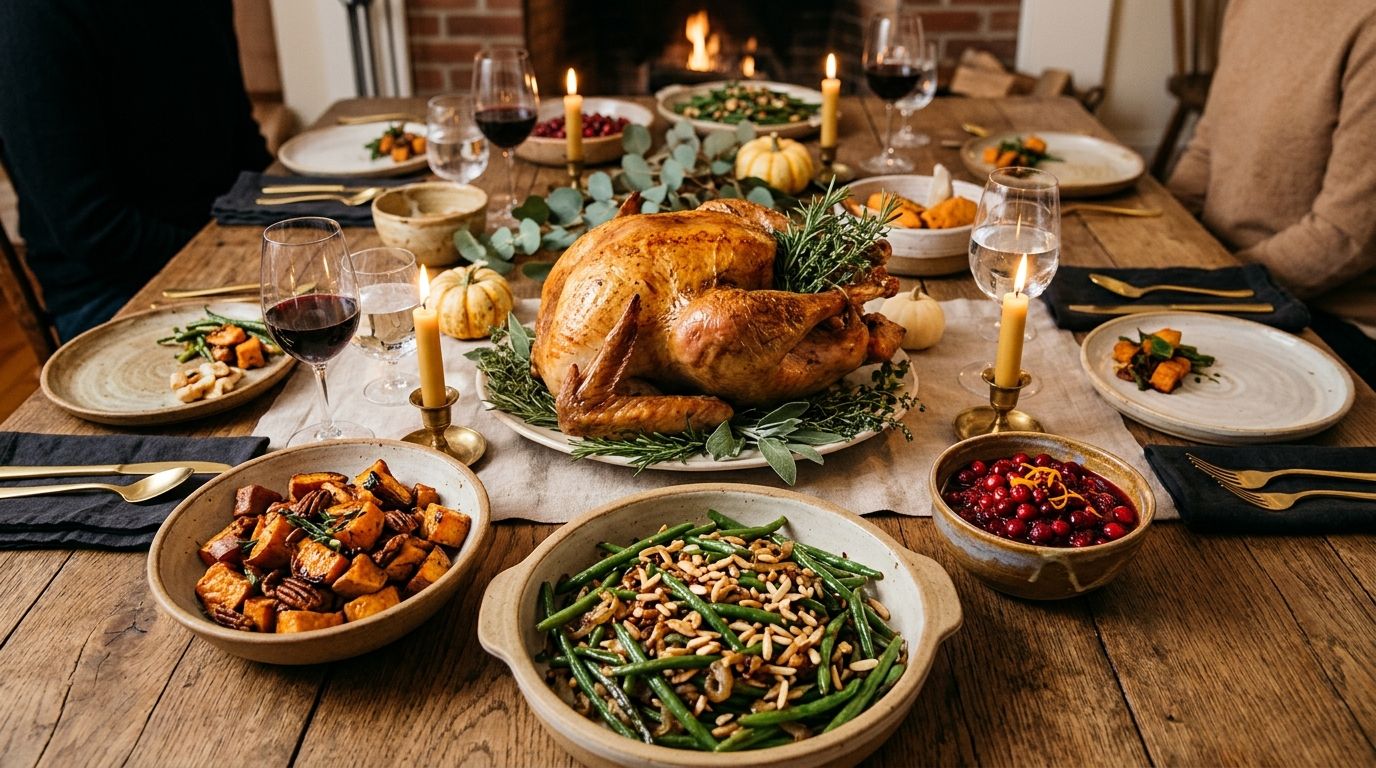
Building a diabetic-friendly thanksgiving menu does not mean settling for bland substitutes or skipping your favorite holiday traditions. The secret lies in understanding how classic dishes affect your glucose response before you serve your plate. By categorizing traditional Thanksgiving foods into gentle, moderate, and higher-impact groups, you can enjoy holiday meals while maintaining steady energy.
Blood sugar spikes happen when rapidly digestible carbohydrates enter your bloodstream faster than your cells absorb them. When you pair those carbohydrates with protein, fiber, or healthy fats, digestion slows down significantly. This physiological rule lets us rank classic holiday recipes by their predicted glucose impact and create realistic swaps.
Gentle impact dishes (Minimal glucose rise)
These holiday staples contain minimal fast-acting carbohydrates. They provide steady protein and healthy fats that help stabilize the rest of your plate.
- Roast Turkey (Breast or Thigh): High in protein and virtually free of carbohydrates. Protein stimulates insulin secretion slightly while slowing gastric emptying.
- Roasted Brussels Sprouts with Bacon: Rich in dietary fiber and healthy fats, causing negligible blood sugar changes.
- Green Bean Casserole (Traditional Almond Topping): Fiber-rich green beans paired with fats limit rapid carbohydrate absorption.
Smart swap: If your roast turkey uses a sugary glaze, swap it for a rub made with fresh rosemary, thyme, garlic, and olive oil. You keep all the rich flavor without adding simple sugars.
Moderate impact dishes (Manageable glucose rise)
Moderate impact dishes contain complex carbohydrates or moderate amounts of sugar. They are fine in sensible portions, especially when eaten alongside protein.
- Roasted Sweet Potatoes (Skin On): Sweet potatoes offer fiber and beta-carotene, leading to a slower rise than refined white potatoes.
- Whole-Grain Herb Stuffing: Whole grains contain structure and fiber that delay digestion compared to white bread stuffing.
- Fresh Cranberry Relish: Whole cranberries packed with natural fiber digest far slower than canned jellied sauce.
Smart swap: Swap canned jellied cranberry sauce for fresh cranberries simmered with orange zest and a touch of stevia or monk fruit. This preserves the bright tartness with a fraction of the carbohydrate load.
Spiky impact dishes (Rapid glucose rise)
Higher-impact holiday foods combine refined starches with added sugars. Without intervention, these foods break down quickly into glucose.
- Mashed White Potatoes: High-glycemic starches break down quickly during digestion, leading to rapid sugar absorption.
- Pecan Pie: Combines high sugar syrups with refined flour crusts, creating a concentrated glucose rise.
- Dinner Rolls with Honey Butter: Refined white flour digests almost immediately, especially when eaten on an empty stomach.
Smart swap: Swap classic mashed potatoes for a fifty-fifty blend of steamed cauliflower and boiled red potatoes mashed with butter and garlic. You keep the familiar creamy texture while lowering the predicted glucose impact significantly.
How to visualize your Thanksgiving plate with GlucoSpike
Everyone responds to food differently. Factors like sleep, stress, and overall metabolic health influence how your body handles carbohydrates on any given day. Population averages give us broad guidelines, but personal response varies.
Using GlucoSpike before you sit down to dinner lets you preview your plate's estimated glucose impact. By logging your proposed meal combination, you can see how adding extra turkey or swapping dinner rolls for roasted vegetables shifts your predicted curve before your first bite.
Frequently asked questions
Should I skip eating all day to save room for Thanksgiving dinner?
Fasting all day before a large meal often leads to sharper post-meal glucose spikes. Arriving at the dinner table overly hungry makes overeating refined carbohydrates more likely, while your body may also produce a heightened glycemic response after prolonged fasting.
Does eating turkey and vegetables before dessert help lower blood sugar?
Eating protein and fiber-rich vegetables before high-carbohydrate foods slows down gastric emptying. This food ordering strategy flattens the post-meal glucose curve compared to eating carbohydrate-heavy foods first.
How long after eating Thanksgiving dinner does blood sugar peak?
Blood sugar typically peaks between sixty and ninety minutes after starting a meal. However, heavy holiday meals high in fat and protein can delay the peak up to two hours as digestion slows down.
"Sugar-free" doesn't mean spike-free. Scan it and know.
The GlucoSpike app includes a barcode scanner — point your camera at any packaged product and get an instant GS Score showing how it will hit your blood sugar, plus what to grab instead. Product data comes from Open Food Facts, a public nonprofit database: 4M+ products, 150+ countries. Your first 7 scans every week are free.


7 free scans a week · No credit card · See how it works →